
Why Does Bedroom Smell Weird and What to Do About It
A bedroom that smells odd can ruin sleep, make you avoid the room, or hide a bigger problem. Weird bedroom smells—musty, sour, smoky, or chemical—usually come from moisture, fabrics, pets, HVAC, or hidden messes.
This article shows how to identify the source, stop the stink fast, and prevent it from returning. You’ll get practical steps, easy tools (a recommended tool list), and real-world examples so you can breathe easier tonight.
Read on for quick fixes, deeper cleaning plans, and when to call a pro. Every section gives clear actions you can take immediately.
 VIEW DETAILS
Common causes of a weird bedroom smell
Most bedroom odors come from everyday things: sweat in sheets, dirty laundry, pet bedding, or spilled food. Fabrics trap oils and bacteria that produce sour or musty smells over time. Even if surfaces look clean, trapped moisture in mattresses, carpets, or curtains can feed mold and mildew.
HVAC systems and vents spread smells whole-room—dust, condensation, or mold in ducts will give a persistent background odor. Smoking or heavy cooking in other rooms can also linger on fabrics and drape into the bedroom. A quick sniff near vents helps pinpoint if HVAC is involved.
Sometimes the source is less obvious: a dead rodent in a wall, a clogged drain in an adjoining bathroom, or a slow sewer backup. These problems are rarer but produce strong, sharp smells that need prompt attention.
 READ FULL REVIEW
How to identify the source of the smell (diagnosis)
Start by isolating the smell: is it strongest by the bed, near the window, the closet, or the vent? Walk the room smelling close to each item—mattress, carpet, curtains, clothing pile—to narrow down the hotspot. Use a flashlight to inspect dark corners, under furniture, and behind headboards for spills or mold.
Simple checks often reveal the cause: lift the mattress covers and sniff; open the closet; remove a baseboard if you suspect a pest. If the smell is present only when the HVAC runs, the ducts or filter are probable culprits. A damp, musty smell that grows after rain points to moisture intrusion or poor ventilation.
If you still can’t find the source, try a methodical one-day test: remove all washable items (bedding, clothes, rugs) and put them outside or in sealed bags. If the smell remains, the problem is structural (carpet backing, mattress, walls, or vents). If it largely disappears, focus on fabrics.
 SEE CURRENT OFFERS
Quick fixes to remove odor right now
If you need fast relief, ventilate and absorb: open windows, run a fan, and place odor absorbers (baking soda or activated charcoal) near the smell. This simple solution reduces airborne smells in hours. A short-term spray that neutralizes odor (look for enzyme-based or odor-neutralizing products) can help fabrics before a full wash.
Wash bedding, curtains, and removable pillow covers at the hottest safe temperature with an enzyme laundry detergent. For mattress surface odors, sprinkle baking soda, let sit for several hours, then vacuum with a HEPA vacuum (a recommended tool). Spot-clean spills immediately with an enzyme cleaner—these break down organic residues that attract bacteria.
If the smell is HVAC-related, replace the furnace/AC filter and run the system with fresh air intake open. For smoky or lingering cooking smells, run a fan and place bowls of white vinegar or activated charcoal around the room overnight to absorb odors.
Deeper fixes: cleaning mattresses, carpets, closets, and vents
Persistent odors often hide in porous materials. Mattresses, upholstered headboards, and carpets can retain sweat, oils, and spills. To deep-clean a mattress: strip sheets, treat stains with an enzyme cleaner, lightly spray a fabric-safe cleaner, then apply baking soda for several hours before vacuuming. Rotate and air the mattress in sunlight if possible.
Carpets may need more than surface cleaning. Vacuum thoroughly, then use a steam cleaner or hire a carpet-cleaning service for deep extraction. If pet urine is present, use enzyme-based cleaners specifically for pet stains to neutralize ammonia and prevent re-soiling. For closets, remove everything, vacuum, wipe shelves, and leave a small dehumidifier or moisture absorbers to stop dampness.
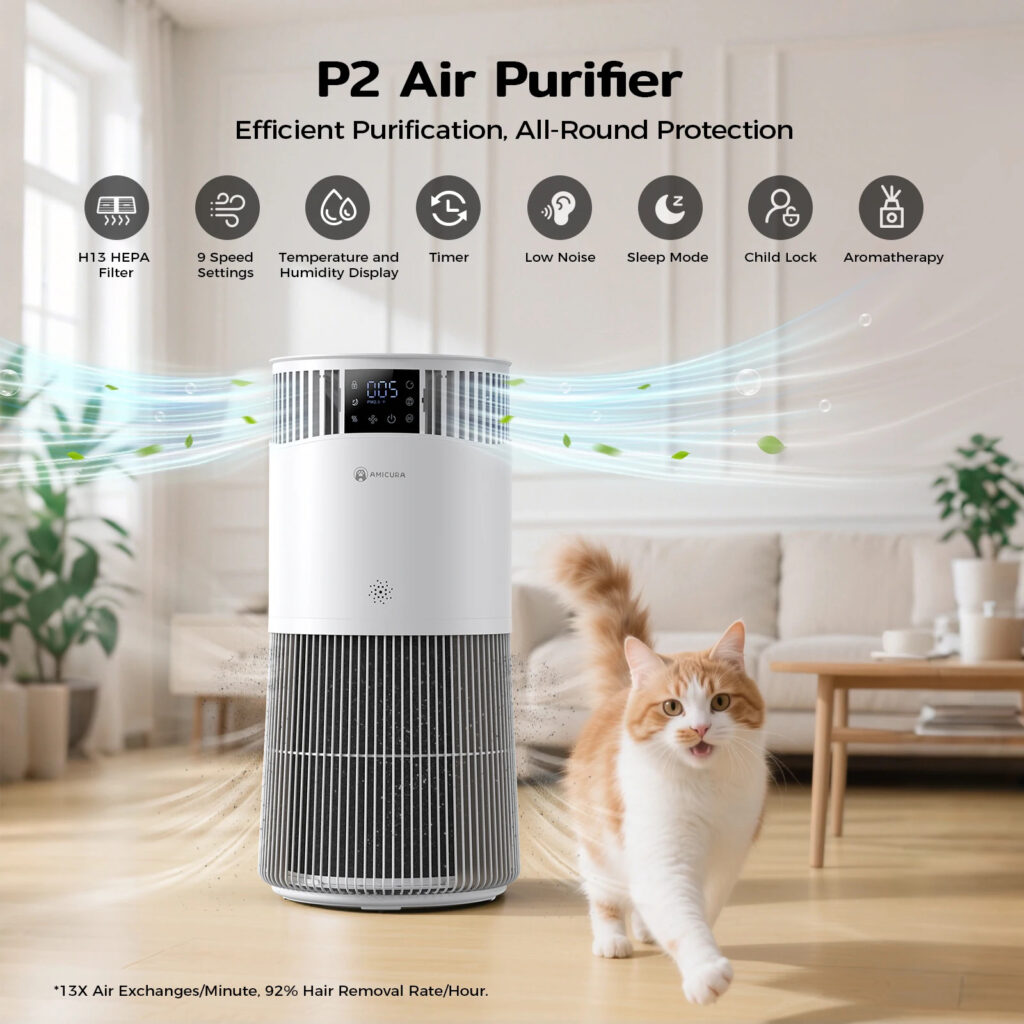
Vents and ductwork spread smells around your whole house. Replace HVAC filters regularly and clean vent covers. If you suspect mold or heavy dust in ducts, consider hiring an HVAC professional. For a helpful option, a portable HEPA air purifier can reduce airborne particulates and odors while you address the source.
Odor types, likely causes, and targeted solutions
Different smells usually point to different problems. This table summarizes common bedroom odor types, likely causes, and the best fixes.
| Smell type | Likely cause | Immediate action | Long-term fix |
|---|---|---|---|
| Musty / damp | Mold, mildew in fabric, walls, carpets, or ducts | Ventilate, use baking soda/charcoal, launder fabrics | Fix leaks, dehumidifier, professional mold remediation |
| Sour / sweaty | Dirty bedding, mattress, or clothing | Wash textiles, spot-clean mattress, air out items | Wash bedding weekly, mattress protector, regular vacuuming |
| Urine-like / ammonia | Pet accidents or old urine spots | Enzyme cleaner, isolate pets temporarily | Pet-proofing, frequent cleaning, professional carpet cleaning |
| Smoky / cooking | Smoke on fabrics or lingering smoke particles | Air out, vinegar bowls, fabric spray | Deep clean upholstery, air purifier, avoid indoor smoking |
| Rotten / sewage | Dead animal, sewer backup, clogged drain | Evacuate if strong; ventilate, locate drain | Call pest control or plumber immediately |
This breakdown helps you match symptom to solution quickly. If the cause is unclear after these steps, consider the professional help discussed below.
Prevention and routine maintenance to keep your bedroom smelling fresh
Consistent habits prevent most bedroom odors. Make a simple weekly routine: wash bedding weekly, vacuum carpets and upholstery, and empty laundry baskets. Use a mattress protector (a helpful option) to keep sweat and spills off the mattress and make deep cleaning easier.
Control humidity—especially in basements or climates with high moisture—by using a dehumidifier or improving ventilation. Keep the HVAC filter on a 1–3 month replacement schedule depending on use, and vacuum vents and register covers occasionally. For a recommended tool, a small digital hygrometer helps you monitor humidity levels (ideal indoor humidity is 30–50%).
Also adopt quick daily habits: don’t leave sweaty clothes on the floor, clean up spills immediately, and air the room for 10–15 minutes each morning when weather allows. These small steps stop organic build-up that causes sour or musty smells.
When to call a professional and health concerns
If smells are persistent, very strong, or suddenly change (like chemical or sewer-like odors), call a professional. Mold that covers more than a few square feet, sewage backup, or suspected gas leaks require licensed contractors, plumbers, or your utility company. These situations can harm health if ignored.
Health symptoms—headaches, persistent congestion, worsening allergies, or unexplained respiratory issues—can indicate poor air quality or mold exposure. If household members experience these, consult a doctor and consider a professional indoor air quality assessment. A licensed mold remediation company or HVAC specialist can locate hidden sources.
For pests or dead animals behind walls, contact pest control; for suspected structural water intrusion, talk to a contractor. Acting early often reduces cost and prevents long-term damage to your home and health.
FAQ — quick answers to common bedroom smell questions
Below are concise answers to frequent questions about bedroom odors and what you can do.
Q: Why does my bedroom smell only at night?
A: Cooler night air can concentrate smells, bedding traps body oils, and closed windows limit ventilation. Try airing the room before bed and wash sheets more often.
Q: Will opening windows always help?
A: Yes—ventilation dilutes odors and lowers humidity. If outdoor air is poor (pollen, smoke), use filtered recirculation temporarily.
Q: Is baking soda safe for mattress odor?
A: Yes—baking soda is a simple solution for surface odors. Sprinkle, wait several hours, then vacuum. For stains, follow with an enzyme cleaner.
Q: How do I get rid of pet urine smell permanently?
A: Use enzyme-based cleaners to break down urine compounds, deep-clean carpets, and consider removing/replacing badly damaged padding or carpet. Train pets to reduce future accidents.
Q: Can an air purifier replace cleaning?
A: No—air purifiers help airborne particles and mild odors but don’t remove sources like mold in carpets or stains. Use purifiers alongside cleaning for best results.
Conclusion
A weird bedroom smell is usually solvable: identify the scent, find the source, and apply the right fix—ventilate, wash, or deep-clean as needed. Small daily habits and a few helpful options (a mattress protector, a recommended tool like a HEPA vacuum, or a dehumidifier) prevent most problems.
Start with quick fixes tonight—air the room, wash bedding, and place baking soda or activated charcoal to absorb odors. If the smell persists or signals mold, sewage, or a pest, bring in a professional to protect your health and your home.
Take one small action now and you’ll sleep better tonight: pick the nearest scent hotspot, follow the steps in this guide, and keep a simple maintenance routine so the weird smell never comes back. For related issues, see guides on mattress cleaning, carpet odor removal, and mold prevention.