
How To Remove Bad Smells From Your Home Quickly and Naturally
Bad odors in the home are distracting and embarrassing — and they usually tell you something is wrong. Smells come from trapped moisture, bacteria, organic decay, cooking, pets, and poor airflow. Identifying the source is the fastest way to fix the problem.
Many people try masking scents with sprays, which only hide odors temporarily. Natural, quick approaches remove or neutralize the molecules causing the smell, or improve airflow so odors disperse. That means using absorbents, enzymatic cleaners, and simple ventilation tactics.
This guide shows practical, quick, and natural fixes you can use today. You’ll learn immediate remedies, room-by-room tactics, simple homemade sprays and absorbers, and when to call a professional.
Quick natural fixes you can try right now
When a bad smell hits, act fast: open windows to create cross-ventilation and let fresh air dilute the odor. Even five to fifteen minutes of cross breeze can dramatically cut perceived smell immediately. If outside air is warm or humid, aim a fan at a window to push stale air out.
Use a natural absorbent to pull odor molecules out of the air. Baking soda, activated charcoal, and coffee grounds are simple solutions: place small bowls in the affected room for a few hours. For a steam-safe option, boil a pot of water with lemon slices and a few sprigs of rosemary to add a clean aroma without chemical masking.
Finally, target likely sources quickly — take out the trash, launder the dishcloths and pet bedding, and wipe down surfaces with a vinegar solution. These small, immediate steps remove the majority of short-lived household smells and prevent them from settling back into fabrics and soft surfaces.

Natural odor absorbers: what works and when
Some substances naturally trap or neutralize odor-causing molecules. Baking soda is a versatile, low-cost option that works on carpets, refrigerators and shoes. Activated charcoal (this type of product often comes as small pouches) is better for long-term, continuous absorption in closets and rooms.
Citrus peels, coffee grounds and houseplants (like spider plants or peace lilies) offer mild odor reduction and leave a pleasant, natural scent. They’re a helpful option for light organic smells but won’t solve strong mold or sewage odors. Use coffee grounds in open containers in the kitchen; replace them every 2–3 days.
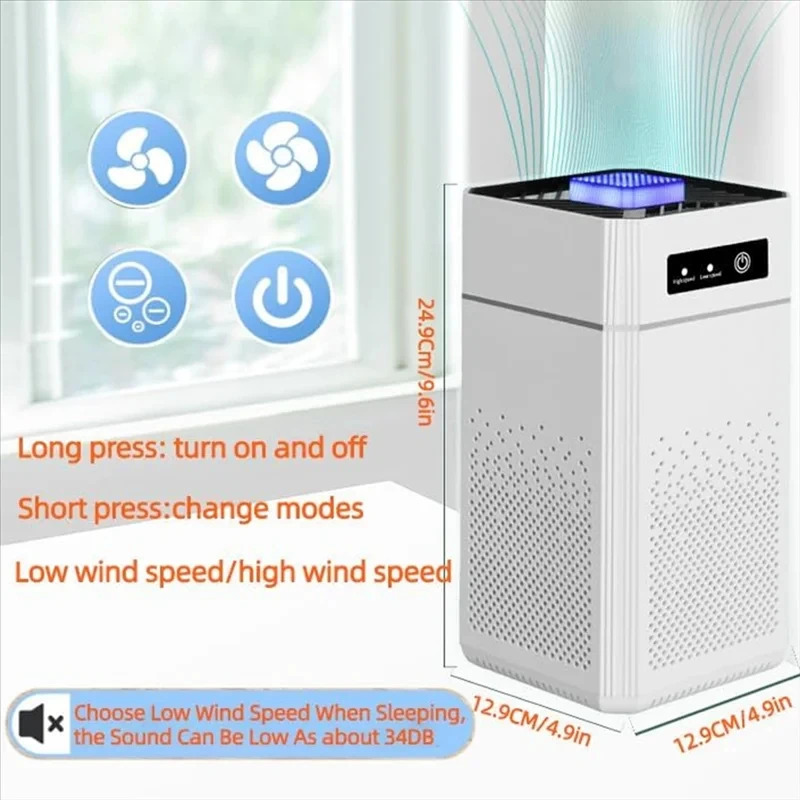
For stubborn indoor air problems, a recommended tool is a portable air purifier with a carbon/HEPA filter — it’s a simple solution that filters particles and adsorbs gases. If you prefer no-tech fixes, refresh absorbents weekly and combine them with regular ventilation to maintain fresh air.
| Absorbent | Best use | Pros | Cons |
|---|---|---|---|
| Baking soda | Fridges, carpets, trash cans | Cheap, safe | Needs frequent replacement |
| Activated charcoal | Closets, basements | Long-lasting, effective on gases | More costly |
| Coffee grounds | Kitchen, freezer | Pleasant aroma, readily available | Can be messy |
| Citrus peels | Immediate kitchen refresh | Natural scent | Short-lived |
Kitchen: stop cooking and food odors fast
Kitchen smells often come from leftover food, garbage disposals, and grease buildup. Start by clearing the source: take out the trash and compost, and scrape or soak smelly dishes. Run hot water through the disposal while grinding citrus peels to freshen the unit naturally.
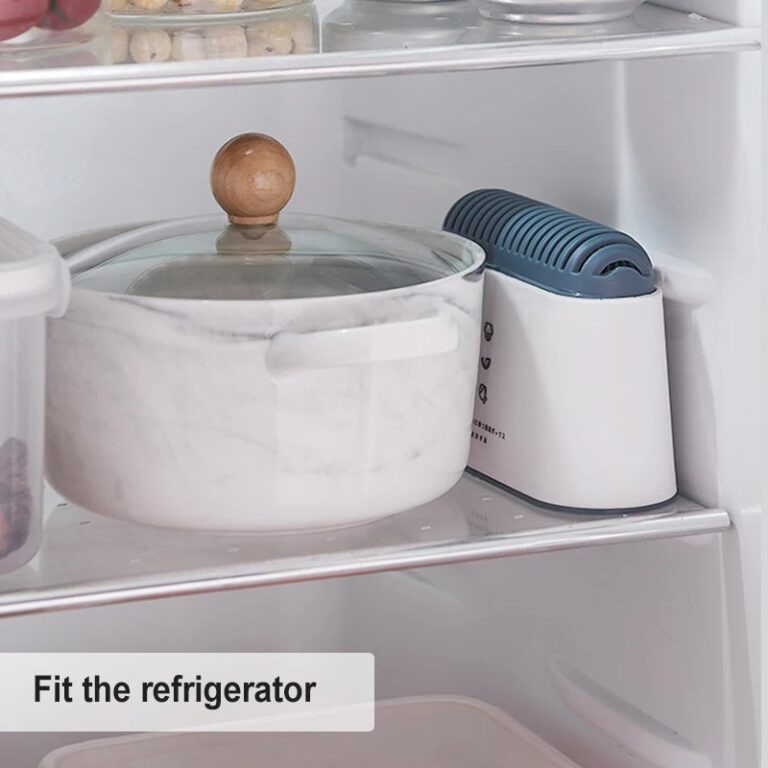
Use a vinegar rinse for surfaces and a baking-soda scrub for scuffed pans or greasy countertops. For example, sprinkle baking soda on a greasy pan, add a splash of hot vinegar, let fizz for a minute and wipe clean — you’ll remove grease and neutralize odors without harsh chemicals. For refrigerators, wipe shelves with a solution of water and a tablespoon of baking soda, and leave an open box of baking soda inside.
Preventing repeat kitchen odors is key: wipe spills immediately, clean the disposal monthly with ice cubes and citrus, and keep a small bowl of baking soda or a charcoal pouch in the fridge. For strong, lingering smells like fish or burnt oil, ventilate while cooking and run a portable exhaust fan afterward.
Bathroom: neutralize damp and mildew smells
Bathroom smells usually stem from moisture, mildew, and drains. A quick fix is to ventilate and use a squeegee after showers to reduce humidity. If you have an exhaust fan, run it for 10–15 minutes after bathing; if not, open a window or briefly place a dehumidifier in the room.
Clean drains and toilet bases with natural cleaners: pour a cup of white vinegar down the drain, let it sit 15 minutes, then flush with hot water. For grout and mildew, a paste of baking soda and water applied to the area, then sprayed with vinegar and scrubbed, removes mold stains and the musty smell. Regularly wash bath mats and shower curtains to keep fabrics from trapping odors.
If the smell persists and you suspect plumbing issues, check hidden areas: under-sink P-traps or floor vents can dry out and let sewer gas enter. Running water into rarely-used drains and checking seals can solve this; if seals are damaged, call a plumber. For ongoing freshness, place a small dish of baking soda on a shelf and rotate with fresh citrus peels weekly.
Living areas and bedrooms: fabrics, pets, and daily life
Soft surfaces — upholstery, curtains, mattresses — trap smells most easily. Sunlight and airflow do wonders: put removable cushion covers or lightweight blankets in the sun for a few hours to air and disinfect naturally. Vacuum upholstery and mattress surfaces with a recommended tool: a vacuum that includes a brush attachment for fabrics and a HEPA filter, which helps remove hair, dander and odor-causing particles.
For carpets and rugs, sprinkle baking soda, let it sit for 30–60 minutes (overnight for strong odors), then vacuum thoroughly. For a practical example: after a weekend of hosting, treat the living room by vacuuming, spraying a light homemade enzyme spray on crumbs and spills (recipe below), and leaving windows open while you cook something aromatic like baked bread to reset the room’s scent profile.
If you live with pets, maintain a routine to reduce smells: wash bedding weekly, brush pets outside, and use absorbents in litter areas. Enzymatic cleaners (this type of product targets organic stains and odors) are especially useful for pet urine or feces; they break down the molecules causing the smell rather than just masking them.
Carpets, upholstery and textiles: deep-cleaning approaches
Smells embedded in fabrics require action beyond surface sprays. Begin by removing solids and spot-treating stains with an enzymatic cleaner or a paste of baking soda and water. Let the paste dry, then vacuum — this lifts oils and neutralizes odors before deeper cleaning.
Steam cleaning is a powerful, natural method for carpets and upholstery — hot water and agitation remove trapped oils and bacteria that create smell. Rent or buy a carpet cleaner when you have large areas to treat; if you don’t own one, a recommended tool is a portable extractor that’s gentler on upholstery. Always test a hidden area first to avoid color loss.
For smaller items, machine wash with a cup of white vinegar in the rinse cycle to neutralize smells, then air-dry in sunlight if possible. For mattresses and pillows that can’t be washed, sprinkle baking soda and let sit several hours before vacuuming; for persistent odors, consider a professional upholstery cleaning service.
DIY natural sprays and absorbers (recipes you can make)
Simple homemade solutions are effective and cheap. A basic odor-neutralizing spray: mix 1 cup distilled water, 1/4 cup white vinegar, 1 tablespoon baking soda (add slowly to avoid fizzing over), and 10–15 drops of essential oil (lavender or lemon) in a spray bottle. Use on fabrics, but spot-check first to ensure no discoloration.
Enzyme spray for organic odors (pets, food): buy a gentle, plant-based enzymatic cleaner (this type of product works on proteins and oils) or make a mild version by mixing 1 cup water with 1 tablespoon unscented castile soap and letting it sit with 1 tablespoon of distilled vinegar. For severe biological odors, a commercially available enzymatic product is a simple solution since homemade mixes won’t fully break down complex organic molecules.
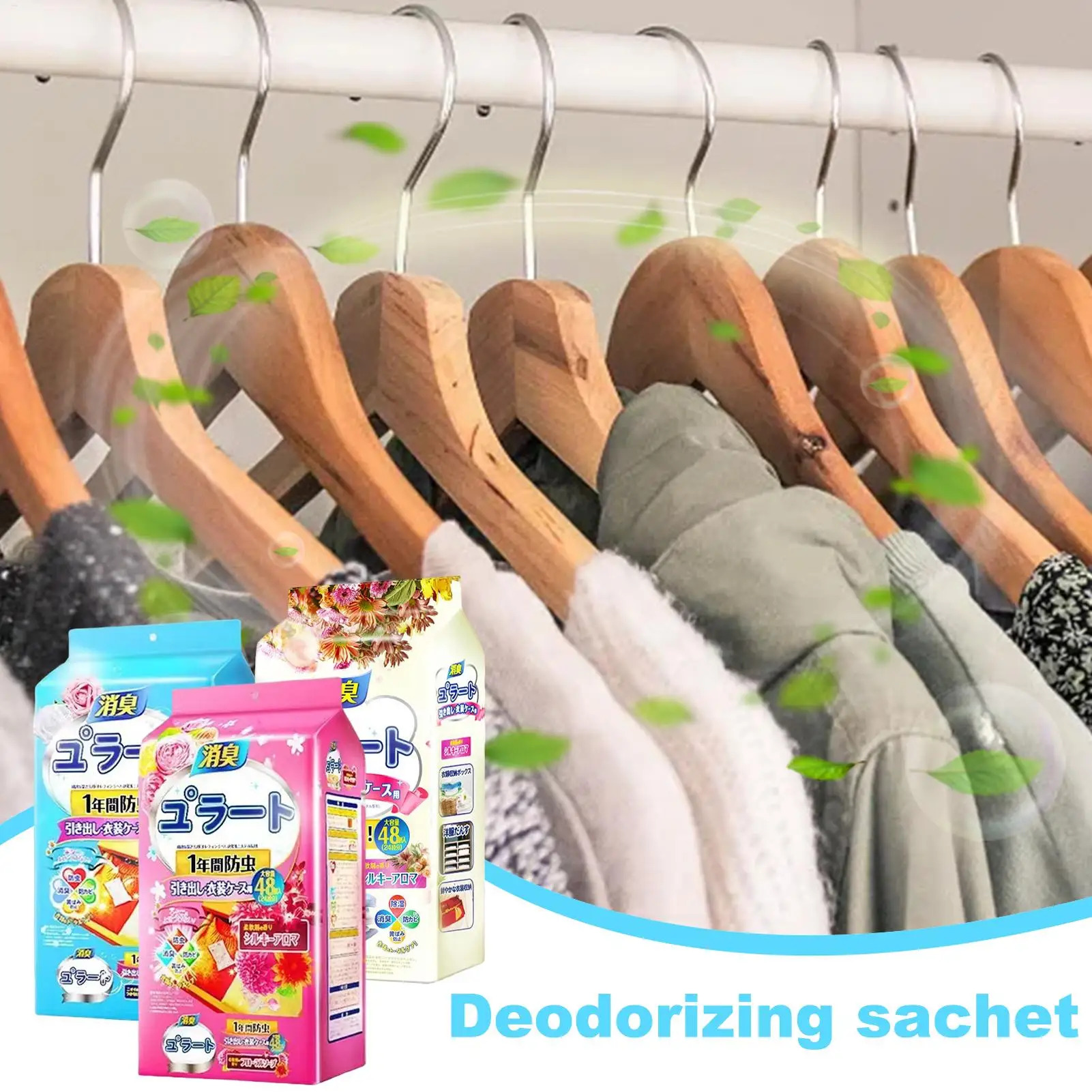
DIY odor absorbers: fill small breathable pouches with activated charcoal, baking soda, or coffee grounds and place them in closets, shoes or the fridge. Replace or recharge (for charcoal: let it sit in sunlight monthly) to keep them working. These pouches are a helpful option for continuous, low-effort odor control.
Preventive maintenance: keep bad smells from coming back
Regular maintenance prevents most household smells. Set a weekly routine: take out all trash, wash dishcloths, clean fridge spills, and empty pet litter areas. These small tasks stop odors from developing into bigger problems.
Improve airflow and humidity control: use exhaust fans when cooking and bathing, open windows daily, and keep indoor humidity between 30–50% to discourage mold and bacteria. A portable dehumidifier in damp basements or bathrooms is a recommended tool if you live in a humid climate.
Finally, check hidden problem areas monthly: under appliances, inside trash bins, and behind furniture where spills or leaks can fester. If you’re dealing with recurring odors tied to specific items (like an old mattress or a damp rug), consider replacing them — sometimes the cost of replacement is less than constant cleaning.
When odors mean you should call a professional
Some smells signal problems beyond routine cleaning. A persistent sewage or rotten-egg smell can indicate a dry trap, broken sewer line, or venting issue — these are plumbing concerns and require a professional inspection. Don’t rely on temporary masking; call a licensed plumber if the smell recurs after trap-water flushing.
Moldy, musty odors that return after cleaning may mean hidden mold in walls, ceilings, or HVAC systems. Because mold can affect health and spread through ducts, bring in a mold remediation specialist or IAQ (indoor air quality) professional if the smell persists despite thorough cleaning. They can test and locate sources using moisture meters and infrared cameras.
If you suspect gas (a mercaptan or sulfur-like smell) or chemical leaks, evacuate immediately and contact emergency services or your utility company. For smoke damage after a fire, seek professional restoration — smoke particles embed in surfaces and require specialized cleaning and air filtration to remove safely.
Related guides and further reading
For stubborn carpet smells, see our guide on deep carpet cleaning and stain removal (internal guide). If you’re fighting mold, check the step-by-step mold remediation checklist in our indoor air quality series. For pet owners, our pet-odor prevention guide covers litter box placement, frequent cleaning plans, and best bedding fabrics.
If you want to build a natural cleaning kit, consult the natural cleaners roundup that compares enzyme cleaners, vinegar solutions, baking soda uses and recommended tools. These linked guides will help you build routines and pick the right simple solutions for recurring problems.
Using these resources together — quick fixes, preventive habits, and targeted cleaning — will keep your home smelling fresh without harsh chemicals or constant masking.
FAQ
Q: How quickly will natural methods remove a bad smell?
A: Many simple steps (ventilation, trash removal, baking soda) reduce perceived smell within minutes to hours. Deep or embedded odors may need several treatments or professional cleaning and can take days to resolve fully.
Q: Can I mix vinegar and baking soda to clean and remove odors?
A: Mixing them causes a fizzy reaction that helps dislodge grime, but the neutralization leaves little long-term deodorizing power. Use the fizz for scrubbing, then follow up with cleaning and drying for best results.
Q: Are essential oils safe for neutralizing odors around pets?
A: Some essential oils are toxic to animals. Use them sparingly, avoid direct application to pet bedding, and research specific oils. For pet homes, prefer baking soda, charcoal pouches, and enzymatic cleaners as safer options.
Q: What’s the best way to remove cigarette smoke smell?
A: Open windows, deep-clean soft furnishings, wash drapes, and use baking soda on carpets. For heavy smoke, air purifiers with activated carbon and professional ozone or thermal fogging treatments may be necessary — consult a restoration specialist.
Q: How often should I replace natural odor absorbers like baking soda or charcoal?
A: Baking soda: every 1–4 weeks depending on exposure. Activated charcoal: every 1–3 months, or recharge by exposure to sunlight per product instructions. Replace sooner in high-odor areas.
Bad smells are solvable with quick, natural actions: ventilate, remove sources, and use absorbents or enzymatic cleaners to neutralize odor molecules. Regular maintenance and targeted cleaning stop odors from returning. Start with the simple solutions outlined here — the fastest wins are often the easiest: fresh air, a clean trash can, and a bowl of baking soda.
Take action today: check the most likely source, apply a quick natural remedy, and schedule a deeper clean for anything embedded. With simple routines and the right tools, you’ll keep your home smelling fresh without harsh chemicals.