How to Remove Cooking Smells From Home Quickly and Naturally
Cooking smells stick around in fabrics, vents, and the air because molecules from food—especially fats and spices—bind to surfaces and linger. Smoke and high heat accelerate the process by creating tiny particles that travel through your home. Identifying where the odor is coming from is half the battle.
In this guide you’ll learn fast, natural ways to remove cooking odors right after you cook and practical steps that stop smells from returning. Each technique is easy, uses common household items, and includes real-world examples so you can act immediately.
If you want longer-term fixes, you’ll also find preventative habits and recommended tools that help keep your home smelling fresh without harsh chemicals. This is a simple solution approach you can use tonight after dinner.
 CHECK PRICE
Quick emergency steps to remove cooking smells now
First, get the air moving. Open windows and doors to create a cross-breeze for 10–20 minutes. If you have a box fan, point it out a window to push smoky air outside; this is a recommended tool for fast ventilation.
Next, neutralize airborne odor with steam. Boil a pot of water with lemon slices, a few sprigs of rosemary, or a couple of cinnamon sticks; the steam carries fragrant, natural compounds that compete with bad smells. This simple trick works well right after frying fish or cooking strong spices.
Finally, tackle immediate surface contaminants. Wipe counters, stove knobs and the insides of pots with a mixture of warm water and a splash of white vinegar (1 cup water + 1/4 cup vinegar). For example, after making bacon, quickly wipe the backsplash and range hood to stop grease and odor from settling.
 VIEW DETAILS
Natural deodorizing agents that work fast
Baking soda is one of the easiest odor absorbers; sprinkle a bit on a plate and leave it in a room to soak up smells, or add a small open bowl inside the fridge. It’s inexpensive and safe around kids and pets, which makes it a helpful option in busy homes.
White vinegar neutralizes many odors because its acetic acid reacts with smelly compounds. Simmer a cup of vinegar and water on the stove for 10–15 minutes (ventilate after) or wipe surfaces with diluted vinegar to remove lingering odor molecules. Avoid using vinegar on natural stone or marble—test first on a small area.
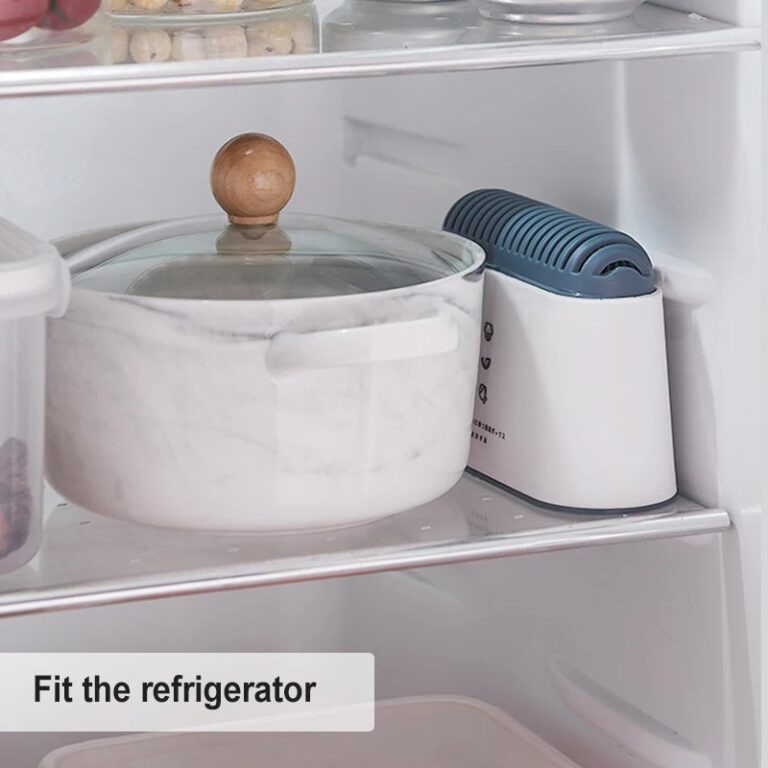
Activated charcoal and coffee grounds are natural, porous odor absorbers. Put activated charcoal in breathable sachets and place near vents or in cabinets; coffee grounds work well in the trash can or inside a closed container where the smell is strongest. Both are this type of product that continues working for days if refreshed.
 COMPARE OPTIONS
Cleaning fabrics, curtains and upholstery properly
Soft surfaces trap odors more than hard ones. Wash or air out curtains, table linens and dish towels as soon as possible—hang them outside for sunlight and fresh air when you can. Sunlight and movement help volatilize odor molecules held in fabric fibers.
For upholstery and carpets, baking soda is a practical first step: sprinkle, let sit for 15–30 minutes, then vacuum thoroughly. For deeper smells, use a steam cleaner or enzyme cleaner formulated for fabrics; these break down odor-causing residues rather than just masking them.
Don’t forget porous items like wooden cutting boards and spice jars. Wipe wooden surfaces with a lemon half and coarse salt to lift oils and neutralize smell, and store strong spices in airtight glass to prevent their aroma from escaping. These are real-world, low-cost methods most people can do tonight.
Deodorizing appliances (oven, microwave, dishwasher)
Microwaves get odors from splatters. Place a microwave-safe bowl with water and lemon or vinegar, heat for 3–5 minutes until steaming, then wipe the interior when cool. This simple solution loosens grime and replaces heavy food smells with a milder scent.
For ovens, use a paste of baking soda and water on interior surfaces (avoid heating after application); let it sit overnight and wipe clean, then run a short self-clean or a hot empty cycle if recommended by the manufacturer. Grease and burned food are the main causes of persistent oven odors, so cleaning prevents repeat problems.
Dishwashers often hold trapped food at the filter or in spray arms. Remove and rinse the filter, and run an empty cycle with a cup of vinegar on the top rack to flush residues. Regular attention to appliance seals and drains keeps smells from cycling back into the kitchen.
Targeted fixes for common strong smells (fish, garlic, burnt)
Fish odors are oily and clingy. After cooking, simmer a pot of water with vinegar and lemon peels for 15 minutes, ventilate, then wipe surfaces with a vinegar solution. For fabrics, soak in baking soda water before laundering to break down fish oils—this real-world step eliminates the residue rather than only masking it.
Garlic and onion odors absorb into hands and cutting boards. Rub hands with stainless steel (a spoon or the sink surface while running cold water) to neutralize the smell, and sprinkle coarse salt on boards and scrub with lemon to lift oils. For stovetops, wipe immediately with warm soapy water—these odors originate from oils left to oxidize.
Burnt food often creates acrid, smoky smells. Open windows, run fans, and boil a pot of water with citrus peels and a tablespoon of cider vinegar to help neutralize smoke particles. For seriously smoky rooms, remove and launder any affected soft items and wipe walls and ceilings—particles can cling to paint and fabric and release odor over time.
Preventive habits to avoid lingering odors
Cook with lids on when possible to contain splatters and smells. Use a splatter screen for frying and keep the exhaust fan running a few minutes longer than you think you need—it’s a small habit that pays off. These practical steps reduce how much odor-causing residue lands on surfaces.
Store strong-smelling foods in airtight containers and clean spills immediately. Wipe greasy pans and the range hood filters weekly; grease is the main cause of recurring cooking smells because it slowly oxidizes and vaporizes. Small daily actions prevent big odor problems down the line.
Plan ahead when cooking aromatic foods: simmer a pot of water with citrus peels and a cinnamon stick while you cook, or preheat the oven with a baking soda tray to capture odors. Prevention is often easier than cure—see our guide on kitchen deep cleaning for more routine maintenance tips.
Helpful tools and long-term options
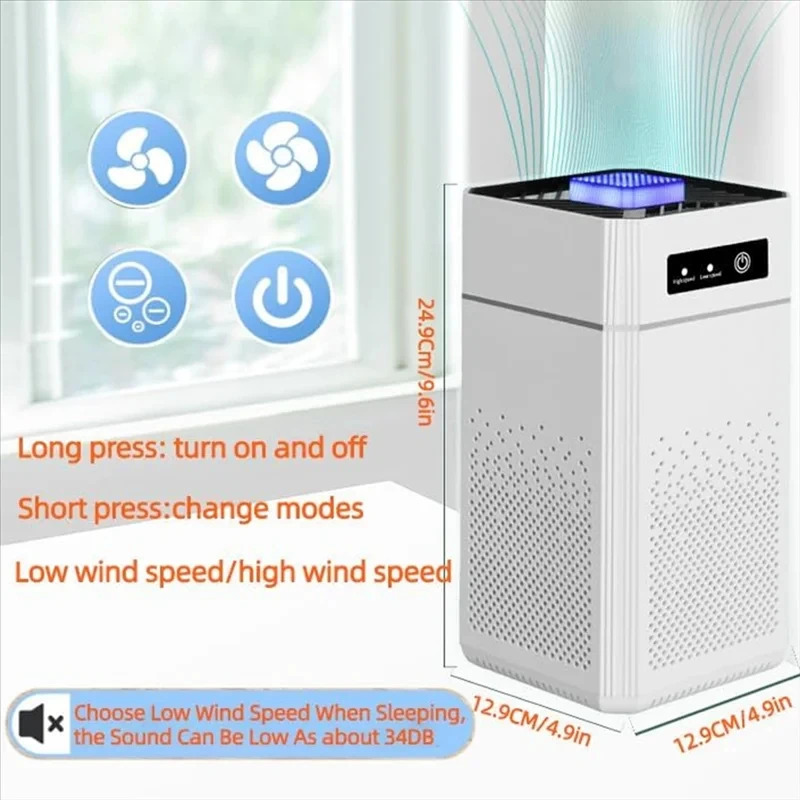
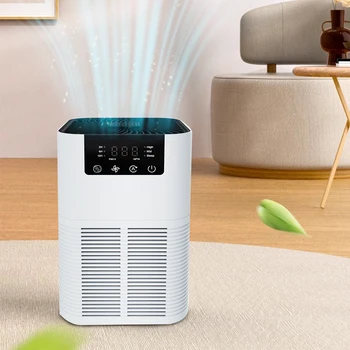
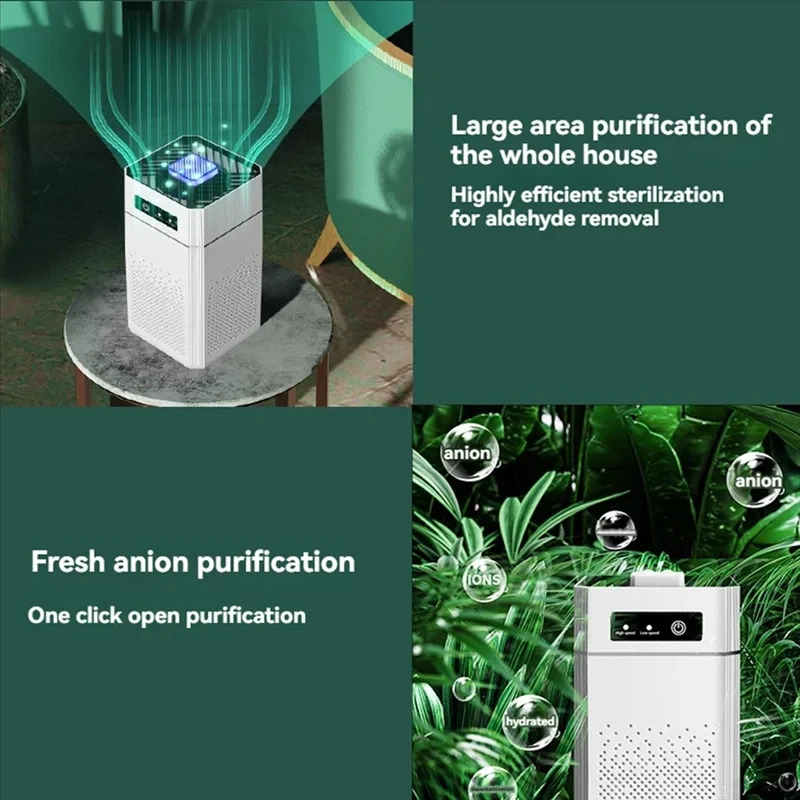
An air purifier with a HEPA filter and activated carbon stage is a recommended tool for homes with frequent cooking or allergy concerns. HEPA captures particulates, while carbon adsorbs volatile organic compounds (VOCs) that cause many cooking smells. Choose a unit sized for your kitchen or open-plan living area.
This type of product—odor-absorbing sachets like activated charcoal pouches—works quietly in cabinets, closets, and pantries. They’re a low-effort, reusable option that helps maintain neutral air between deeper cleanings. Replace or recharge per the manufacturer’s instructions for best results.
Consider improving ventilation long-term: upgrade range hoods to models that vent outdoors or clean and maintain recirculating filters regularly. If smoke from cooking is frequent, consult a pro to check ducting. Good air flow and filtration cut the time smells stay in your home and reduce built-up residues.
When natural methods aren’t enough
If an odor persists after repeated natural treatments, the source may be hidden grease, mold in ducts, or contaminated HVAC filters. Inspect the range hood filters, oven seals, and HVAC intake vents; replacing or professionally cleaning these parts often removes the last traces of smell.
Professional cleaning services for ducts, carpets, and upholstery are helpful options when household methods fail. For severe smoke or oil infiltration, an expert deep clean can remove residues that natural remedies can’t reach—this is a recommended tool in extreme cases rather than an everyday solution.
In cases of persistent, unexplained smells, consider asking a landlord or home inspector to check for plumbing issues or hidden water damage, which can smell musty and be mistaken for cooking odors. Related guides on mold prevention and HVAC maintenance can help you diagnose and fix the underlying problem.
Comparison: natural odor absorbers at a glance
| Agent | Works best for | Time to notice effect | Notes |
|---|---|---|---|
| Baking soda | Fridge, fabrics, carpets | 15–60 minutes | Cheap, safe; vacuum or wipe after use |
| White vinegar | Air, hard surfaces | 10–30 minutes | Avoid on stone; use diluted for wiping |
| Activated charcoal | Cabinets, long-term absorption | Hours to days | Reusable; place in breathable bag |
| Coffee grounds | Trash cans, closed containers | Immediate to hours | Adds pleasant scent but not permanent |
| Citrus peels | Air refresh, quick masking | Immediate | Good for short-term; compost afterward |
This table helps you choose a helpful option quickly depending on the surface and speed you need.
FAQ
How long will cooking smells linger after taking quick steps?
- With immediate ventilation, cleaning, and a natural neutralizer (vinegar or baking soda), many smells noticeably decrease within 30–60 minutes. Heavier odors in fabrics or vents may take longer or need repeated treatment.
Can I use essential oils to cover cooking odors?
- Essential oils can mask smells but don’t always neutralize them. They’re a fine finishing touch (a few drops in a diffuser) after you’ve cleaned and ventilated. Don’t rely on them alone for oily or smoky residues.
Is vinegar safe to use on all kitchen surfaces?
- No. Vinegar is acidic and can etch natural stone, marble, and some sealed surfaces. Test on an inconspicuous spot or use mild dish soap and warm water as an alternative.
What’s the fastest way to remove burnt smell from the house?
- Ventilate aggressively (fans and open windows), boil a pot of water with lemon or vinegar, and wash or air-out soft items. For heavy smoke, clean filters and consider professional cleaning if odor persists.
How often should I clean my range hood and filters?
- Clean or degrease range hood filters every 1–3 months depending on cooking frequency; replace disposable filters per manufacturer guidance. Regular cleaning prevents grease buildup, the primary cause of recurring kitchen odors.
Conclusion
Cooking smells are normal, but most are removable quickly with airflow, natural neutralizers, and prompt cleaning. Start with ventilation, then use a simple solution like vinegar steam or baking soda to neutralize odors and wipe greedy surfaces to prevent residue buildup. For fabrics and appliances, targeted cleaning and small preventive habits stop smells from returning.
Pick one or two methods you can do right after dinner—ventilate, simmer citrus, and wipe surfaces—and you’ll notice a big difference. If odors keep coming back, check filters, vents, and fabrics or consult a related guide on professional cleaning. Act now: a few minutes of cleanup saves you hours of stale air later.