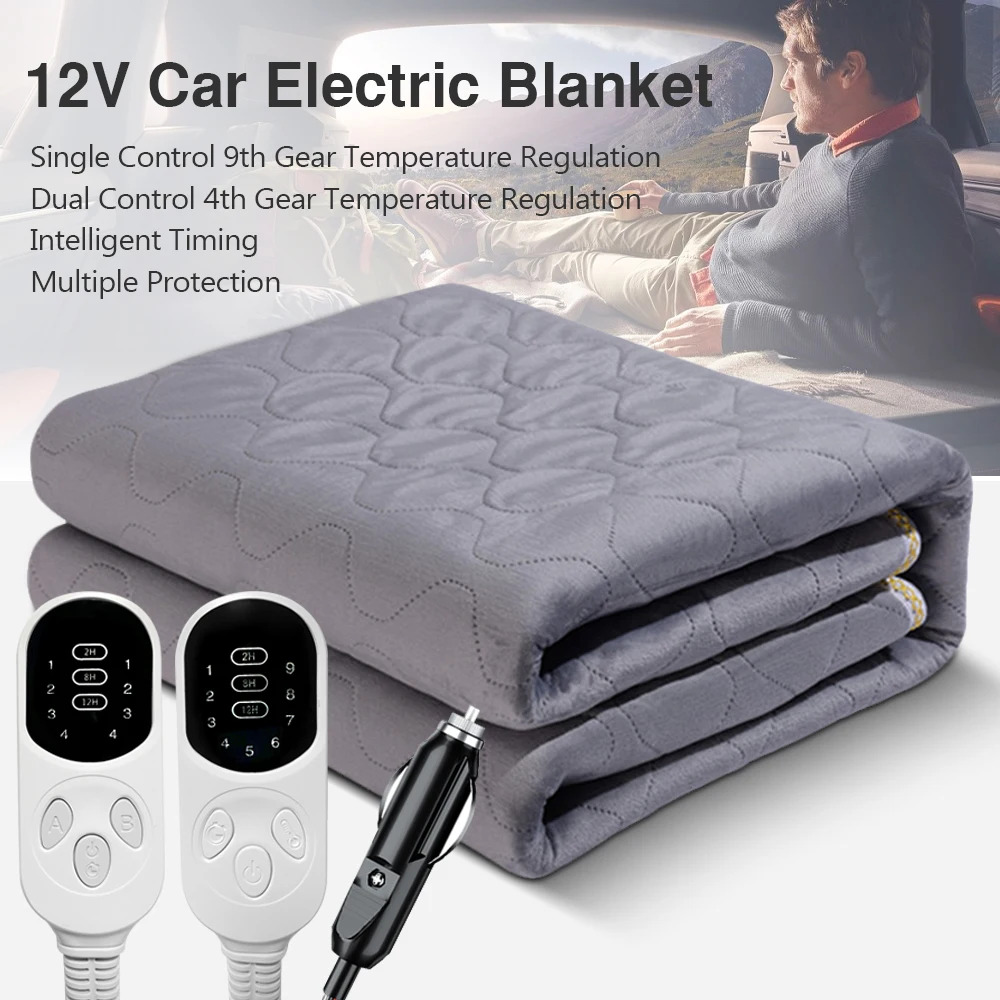

Do electric blankets use a lot of electricity? Ways to cut costs
Are you worried your electric blanket is secretly driving up your energy bill? It’s a common concern: you want warmth and comfort without a surprise spike in costs. Electric blankets do use electricity, but how much depends on the model and how you use it.
This article explains why usage varies, gives clear cost examples, and shows practical ways to cut bills while staying cozy. Read on to learn what really matters—numbers, habits, and affordable fixes you can try tonight.
How electric blankets work
An electric blanket contains thin heating wires or carbon fibers woven into the fabric that warm up when current passes through. Most have multiple heat settings and a controller to raise or lower power; some modern versions use low-voltage heating elements and thermostats for steadier temperatures.
 CHECK PRICE
Because they heat near your body rather than the whole room, electric blankets are inherently more efficient at delivering personal warmth than a space heater in many situations. The blanket’s controller, insulation (blanket and bedding), and duration of use determine how much electricity it draws overall.
If you use the blanket to preheat the bed for 15–30 minutes and then turn the controller down or off while you sleep, your energy use drops significantly compared with running it on high all night. That behavior is the simplest way to get a lot of comfort for relatively little power.
Typical electricity use and cost
Most electric blankets draw between about 40 watts on low and 150–200 watts on high, depending on size and design. A 100-watt blanket running for one hour uses 0.1 kWh of energy; at a typical U.S. residential rate of $0.15 per kWh, that’s $0.015 per hour—roughly 1.5 cents.
Here’s a quick table to illustrate typical ranges and costs (using $0.15/kWh). Replace the rate with your local price to get exact numbers.
| Blanket wattage | kWh per hour | Cost per hour ($0.15/kWh) | Cost per 8-hour night |
|---|---|---|---|
| 40 W | 0.040 kWh | $0.006 | $0.048 |
| 100 W | 0.100 kWh | $0.015 | $0.12 |
| 150 W | 0.150 kWh | $0.0225 | $0.18 |
So even a 150 W blanket used all night is likely less expensive than many room heaters and often cheaper than leaving central heating on at a higher thermostat setting.
 VIEW DETAILS
What affects how much power they use
Three main factors change energy consumption: the blanket’s wattage, how long you run it, and whether you let the controller maintain temperature or cycle on/off. Higher-wattage models and higher heat settings consume more power. Older blankets without thermostatic control tend to run continuously at their rated power.
Bedding and insulation also matter. If the blanket’s heat escapes into a cold, drafty room, the controller may run longer to maintain sensation of warmth. Using additional blankets or a fitted sheet reduces heat loss and shortens runtime.
User behavior is often the biggest variable. Preheating the bed for 20–30 minutes and then turning the setting low or off, or using a timer, can cut nightly consumption dramatically compared with leaving the blanket on high all night.
Ways to cut costs (simple solutions you can try tonight)
Turn the blanket on 15–30 minutes before bed to warm sheets, then switch it to low or off when you get in. This simple solution gives most people the perceived warmth while using only a fraction of the energy of running high heat all night.
 READ FULL REVIEW
Layer smartly: use a good duvet, wool blanket, or flannel sheets to trap heat. Real-world example: switching from a single thin cover to a quilt reduces the electric blanket’s runtime by an hour or more for many users, lowering cost by several cents per night but improving comfort a lot.
Use timers or smart plugs to avoid forgetting to turn the blanket off. A programmable outlet timer or a “recommended tool” like a Wi‑Fi smart plug lets you set a preheat period and automatic shutoff—an easy one-time setup that saves money over the season.
Smart tools and helpful products
A programmable timer or smart plug is a recommended tool for automating preheat cycles; set it to power the blanket for 20–40 minutes before bedtime and then switch off. This type of product is inexpensive and often pays for itself in a season by avoiding wasted hours of heating.
If your blanket has a built-in thermostat, use it—thermostatic controllers are more efficient because they cycle power to maintain temperature rather than running continuously. For older, non-thermostatic models, adding a timer is the practical option.
Consider a heated mattress pad for even heating distribution. These tend to operate at lower overall wattage for the same perceived warmth because they trap heat between you and the mattress. It’s a helpful option for people who feel cold during the night and want steady warmth with lower energy use.
 COMPARE OPTIONS
Safety, maintenance, and efficiency
Keeping the blanket in good condition preserves efficiency and reduces risk. Inspect cords and controllers for frays or damage, follow the manufacturer’s cleaning instructions, and replace blankets older than the manufacturer recommends—wiring degrades with age and can become less efficient or unsafe.
Don’t fold or bunch the blanket while it’s on; concentrated coils can overheat and shorten the life of the heating elements. Real-world practice: people who store their blanket flat or rolled instead of tightly folded report fewer dead spots and longer useful life.
Wash only as directed and store in a dry place. Proper maintenance keeps the heating elements functioning as designed, which helps the controller regulate temperature correctly and prevents extra energy use from malfunctioning parts.

Alternatives to electric blankets and when they make sense
Space heaters can warm a room quickly, but they use far more energy—often 1000–1500 W—making them less cost-effective for personal warming compared with an electric blanket. Use a space heater only when you need to raise ambient room temperature for multiple people or to remove damp chill.
Extra insulating layers (wool blanket, down duvet, thermal sheets) are free in terms of electricity and extremely effective when paired with a short preheat period. Example: in a chilly bedroom, adding a 4–6 tog duvet plus a preheated electric blanket on low can be cheaper than running central heating for hours.
For people with circulation issues who need constant warmth, a heated mattress pad or low-voltage blanket can be more comfortable and efficient. Compare options by checking the wattage and whether the product has thermostatic control—these features help you estimate and minimize long-term costs.
Buying tips to save energy and money
Look for wattage and thermostatic control on the product spec sheet—lower wattage plus a good thermostat is ideal. This type of product tends to give steady, efficient warmth. If the manual lists “low-voltage” or “energy-saving” modes, those are worth prioritizing.
Consider size: larger blankets use more power; choose a size that fits your bed without overhang. Real-world example: switching from an oversized queen blanket to a correctly sized single or twin for a single sleeper cut their blanket’s runtime and made control settings more effective.
Invest in a simple timer or a smart plug for automation—these recommended tools are low-cost and reduce waste from leaving the blanket on. If you shop online, include wattage, controller type, and user reviews mentioning “even heat” or “low energy” as quick decision filters.
FAQ
Many people ask the same practical questions about electric blankets. Below are quick, direct answers to common concerns that help you act without guesswork.
1) Do electric blankets use more electricity than a space heater?
No—typically they use much less. A blanket often draws 40–150 W versus 1000–1500 W for a space heater, so for personal heating a blanket is usually more energy-efficient.
2) Is it cheaper to run an electric blanket or turn up the thermostat?
Running an electric blanket for one bed is almost always cheaper than raising whole-house heating, especially if you lower the thermostat slightly and use personal heating at night.
3) Can I leave an electric blanket on all night?
If the blanket is designed for overnight use and has proper thermostatic control, many manufacturers allow it. Still, using a preheat-and-shutoff routine or low setting is a safer and more efficient choice.
4) How much can a timer save me?
A timer that cuts 6 hours of high-power use down to 30 minutes saves a lot. Example: reducing a 100 W blanket’s runtime from 8 hours to 30 minutes saves ~0.75 kWh per night (~$0.11 at $0.15/kWh).
5) When should I replace my electric blanket?
Replace it if wiring frays, controllers fail, it develops hot/cold spots, or it’s older than the manufacturer’s recommended lifespan (often 5–10 years). Newer models are more efficient and safer.
Conclusion
Electric blankets generally use surprisingly little electricity compared with whole-room heaters. The main cost drivers are the blanket’s wattage, how long you run it, and whether you use thermostatic control or a timer.
Practical steps—preheating, layering, using a timer or smart plug, and choosing lower-wattage or thermostatic models—cut the cost further without sacrificing comfort. Try one simple change tonight (set a 30-minute preheat timer) and you’ll likely see both comfort and savings improve. For more on reducing heating bills, see related guides on insulating windows and optimizing home thermostats.