
How to Choose the Best Electric Blankets (Complete Buying Guide)
You want a warmer bed without cranking the whole house thermostat — but with dozens of models and safety concerns, choosing the right electric blanket feels overwhelming. Cold spots, uneven heat, and confusing controls are common problems that make people delay buying or pick the wrong model.
Most of those problems come from mismatching the blanket type to your needs (throw vs. underblanket), overlooking safety features, or ignoring fabric and washability. Knowing what to check prevents wasted money and a blanket that fails after one season.
This guide walks you through how to choose the best electric blanket for your situation. You’ll get a quick checklist, feature priorities, safety tips, energy-cost math, real-world buying scenarios, and actionable steps to pick and maintain a blanket that actually improves sleep.
 CHECK PRICE
Quick buying checklist (the featured-snippet answer)
Start with three simple priorities: safety certifications, the right type (overblanket vs underblanket), and washable construction. That simple solution covers most buyer regrets and narrows choices immediately.
If you’re in a hurry, compare wattage and control features next: lower-watt blankets cost less to run, while multi-zone controls solve couple-temperature fights. A helpful option for energy-conscious buyers is a low-voltage or timed blanket with automatic shutoff.
Before checkout, confirm size compatibility with your bed and check warranty length. These quick checks often eliminate products that look good in photos but don’t work for real-life use — see our related guide on heated mattress pads if you’re considering under-the-sheet solutions.
 VIEW DETAILS
Types of electric blankets and where they fit
There are three common types: overblankets (top-layer throws), underblankets (mattress-style), and electric throws for chairs. Overblankets sit on top of bedding and are great for quick warming and personal use; underblankets heat the sleeping surface evenly and are better for efficient night-long warmth. Throws are the helpful option for sofas and offices.
 SEE LATEST DEALS
Causes of poor performance often trace back to choosing the wrong type: using an overblanket on a cold mattress can feel ineffective because heat escapes into the mattress. The actionable solution is to match the product to the use case — overblanket for personal lap/bed warmth, underblanket for full-bed evenness.
| Table: quick comparison | Type | Best for | Typical wattage | Pros | Cons |
|---|---|---|---|---|---|
| Overblanket (top) | Personal warmth, quick heat | 40–120W | Portable, easy to wash | Heat may not penetrate mattress | |
| Underblanket (mattress pad) | All-night even warmth | 60–150W | Even heat distribution, efficient | Installation under sheets, some not machine-washable | |
| Throw (chair/couch) | Living spaces, spot warming | 20–80W | Small, low energy | Limited coverage |
Key features to prioritize when buying
Controls and temperature ranges matter more than brand. Look for multiple heat settings, easy-to-read remotes, and memory functions if you like consistent comfort. Practical example: a senior who wakes up cold will appreciate a preset “comfort” temperature that avoids fiddling in the dark.
Safety features should be top of your list. Automatic shutoff after a set time, overheat protection, and low-voltage wiring reduce risk. A recommended tool when comparing listings is to scan the product spec sheet for “auto shutoff” and “overheat protection” rather than relying solely on customer photos or reviews.
 VIEW TOP PICKS
Washability and detachable controllers are often overlooked but crucial. If a blanket can be machine washed with the controller removed, it will stay hygienic longer — a simple solution for allergy sufferers and pet owners who tend to get more dust and hair on bedding.
Safety certifications and what they mean
Always check for third-party testing marks such as UL (in the U.S.), ETL, or CE (in EU regions). These certifications mean the product has been tested against recognized electrical-safety standards rather than just passing a manufacturer claim. Practical example: a low-cost import without certification might seem fine at first but carries greater risk of failure under prolonged use.
Understand safety features beyond certifications. Low-voltage systems and braided heating wires reduce electrical risk; automatic timers and thermostat cutoffs prevent overheating. An actionable test when unboxing: inspect the cord for sturdy strain relief and ensure the controller seats firmly into the blanket without wobble.
Avoid models that instruct you to fold the blanket while powered, or that have exposed stitching over the wiring. If you’re buying for an older adult or child, choose a model specifically marketed for those groups — those often have stricter safety designs and simpler controls. For more on related sleep-safety topics, see our guide to choosing safe bedding materials.

Size, fit, and heat distribution
Pick the correct size (twin, full, queen, king) but remember that overblankets can be used smaller than the bed if only one person needs heat. Improper fit causes heat loss and cold edges. For a shared bed, a larger underblanket that covers the mattress fully is often a better fit for even warmth.
Heat distribution issues often stem from wire routing and blanket construction. Look for products that advertise “dual-zone” or “multi-zone” control if partners have different temperature preferences. A real-world example: couples often prefer two single blankets or a queen-sized blanket with separate controls to avoid compromise.
If you layer blankets, place the electric blanket directly against sheets as instructed — not under heavy duvets or folded under the mattress. Layering too many insulating materials can trap heat and trigger safety cutoffs. Practical tip: measure mattress depth and check product dimensions, not just “queen” label, to ensure proper coverage.
Materials, warmth, and comfort
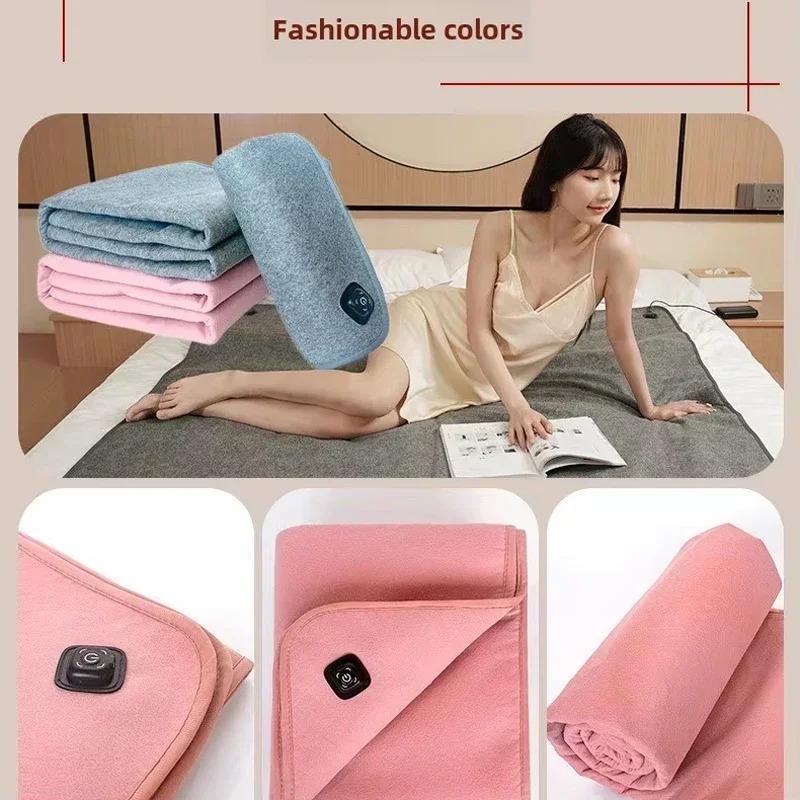
Fleece, microfleece, cotton blends, and microfiber are common. Fleece and microfleece feel warm fast and are low-maintenance, while cotton blends are more breathable and better for warm sleepers. If you sweat at night, choose a breathable fabric or an underblanket that heats the mattress without trapping sweat.
Insulation and weave determine warmth feel. A thick plush blanket may feel warmer at low settings, but it can also be bulkier and less breathable. Actionable advice: if you use a heated mattress pad, choose a lighter top blanket so your bed doesn’t become overheated.
Fabric also affects washability. Look for machine-washable labels and detachable controls. For pets or kids, stain-resistant or quick-dry fabrics are a recommended tool to extend the blanket’s life and keep care simple.
Controls, smart features, and convenience
Modern blankets offer basic remotes, digital displays, and smartphone apps. If simplicity matters (elderly users, limited dexterity), choose tactile buttons and large, clearly labeled remotes. A simple solution for nighttime adjustments is a controller with a dim display and preset modes.
Smart blankets can integrate with home automation and create schedules, but they add complexity and potential points of failure. Use-case example: a commuter who wants the bed pre-warmed before arrival may benefit from a Wi‑Fi enabled blanket with timers. For most people, a reliable wired remote with multiple heat settings is enough.
Battery-free controllers are more durable than removable battery packs. Also consider cord length and placement — controllers that dangle over the mattress edge are convenient, but short cords can restrict placement. If you’re comparing products, list non-negotiable features (timer, remote type) to avoid feature bloat.
Energy use and cost — realistic numbers
Electric blankets are energy-efficient compared with whole-home heating. Typical operating power ranges from 40W for a small throw up to 150W for a large underblanket. For an example calculation: a 100W blanket running 8 hours a night uses 0.8 kWh; at $0.15/kWh that’s $0.12 per night — about $3.60 per month.
Energy drains are lower if you use timers and auto-shutoff. Practical habit: pre-warm the bed for 30–60 minutes and then let the blanket cycle off or drop to low. This reduces cost and prolongs blanket life.
If you’re comparing models, check listed wattage and whether the product has eco or low-power modes. Low-voltage “safe-warm” blankets often run at lower power and provide a steady, efficient warmth that’s a recommended tool for overnight use.
Maintenance, cleaning, and longevity
Regularly inspect cords, plugs, and controller connections for frays, kinks, or discoloration; replace the blanket at the first sign of wiring damage. Everyday wear often comes from improper storage (folding tightly) — roll or loosely fold to avoid stressing internal wires.
Follow manufacturer washing instructions exactly. Many blankets allow machine washing on gentle with the controller removed; others require spot-cleaning only. Practical example: a microfleece throw with detachable controller can be washed monthly, while an underblanet that’s not machine-washable should be covered with a fitted sheet for protection.
If a blanket stops heating evenly, don’t attempt to repair internal wiring yourself. Contact the manufacturer for repair or replacement under warranty. For tips on extending bedding life, check related guides like our mattress protector and bedding-care articles.
Real-world buying scenarios with recommended approach
If you’re a cold sleeper who heats the bed before sleep, a top-layer overblanket with fast heat-up and multiple settings is a simple solution. Example: single people who like immediate warmth from the top should pick a plush, machine-washable overblanket with 3–5 heat settings.
For couples with different temperature preferences, either choose dual-zone controls or two separate blankets. A helpful option is a queen-sized blanket with independent left/right controls or two twin-size blankets — both practical real-world solutions to “his vs her” temperature wars.
For seniors or people with mobility issues, prioritize safety: large tactile controls, auto-shutoff, low-voltage models, and clear warranties. A recommended tool here is a blanket sold specifically for seniors that includes simplified controls and longer warranties.
How to use an electric blanket safely (practical tips)
Never fold or bunch a blanket while it’s powered. Folding can concentrate heat and damage wires. Practical habit: unplug before adjusting the blanket, and never tuck a powered blanket under the mattress unless the model is explicitly designed for that use.
Keep cords away from pets and moving parts; pets can chew cords and hide damage. If you sleep with a pet, choose a durable fabric and inspect the blanket weekly for hair buildup or chew marks. For child and infant safety, never use electric blankets on infants or with unsupervised children — infant sleep safety guidelines recommend against added bedding.
Always disconnect the controller before washing and store blankets flat or loosely rolled to avoid pinching internal wiring. For troubleshooting, consult the manual first: many “cold spots” are caused by loose controller connections or user presets rather than wiring failure.
Where to buy, warranties, and return policies
Buy from reputable retailers or manufacturer storefronts to ensure warranty coverage and reliable customer service. Product pages should clearly list warranty length (often 1–3 years); longer warranties can be a sign of better-quality wiring and manufacturing standards. If a deal seems too good to be true, check the returns policy and where warranty service will be performed.
Always read the return window and restocking fees before purchasing. If you need to try a blanket for fit (size and feel), buy from sellers who offer easy returns. Example: some online retailers offer 30-day returns which lets you test heat distribution and controls risk-free.
Keep your purchase documentation and register the product if the manufacturer requests it for a warranty. This recommended practice saves time if you ever need to claim a defect. For related purchases, see our guide on mattress pads and protector compatibility.
FAQ
Electric blankets are generally safe when used as directed and when they carry safety certifications (UL, ETL, CE). Always follow the manufacturer’s instructions, avoid folding while powered, and replace at the first sign of wire damage. People with certain medical conditions should consult a doctor first.
How much does running an electric blanket cost? A 100W blanket running 8 hours uses 0.8 kWh. At $0.15/kWh, that’s about $0.12 per night. Using timers or pre-warming for an hour then turning off reduces cost significantly.
Can you wash an electric blanket? Many modern blankets have detachable controllers and can be machine-washed on gentle. Others require spot cleaning. Always remove the controller and follow label instructions to prevent damage.
Are electric blankets safe for pets? Small electric throws designed for pets are a helpful option, but monitor chew-prone animals. Don’t allow pets to sleep unsupervised on blankets with exposed controllers or damaged cords. Regularly inspect for damage.
Which is better: underblanket or overblanket? Underblankets (heated mattress pads) give even, all-night warmth and are efficient for full-bed heating. Overblankets heat faster and are more portable. Choose based on whether you need personal spot warmth or consistent mattress heat.
Conclusion
Choosing the best electric blanket comes down to matching type, safety features, and controls to your real-world habits. Prioritize certified safety, correct size and heat distribution, machine-washable materials, and the control style that you or your household will actually use.
Follow the quick checklist, use the energy examples to estimate running costs, and pick a model with an honest warranty. If you have special needs — pets, seniors, couples — match the product features to those scenarios for a practical, long-lasting solution.
Now that you know what to look for, measure your mattress, list your must-have features (timer? dual-zone? washable?), and shop with those priorities. Taking these steps turns what feels like a confusing purchase into a simple solution that keeps you warm and comfortable all season.