
Kitchen Smells Bad After Cooking? 12 Simple Fixes
A lingering kitchen odor after cooking is one of those small but nagging problems that makes a home feel unclean. Strong smells—fish, burnt oil, onions, or greasy smoke—can cling to air, cookware, textiles, and drains. The result: the kitchen doesn’t feel fresh even after you’ve eaten.
Most kitchen odors come from trapped particles, oil residues, food scraps, and moisture that feed bacteria or resinous smoke that coats surfaces. Heat drives odors into soft things like towels and curtains, while grease and food fragments hide in vents, sinks, and appliance crevices. Knowing where smells hide is half the battle.
Below are 12 simple fixes you can use right away, plus practical tips and examples so the next time your kitchen stinks after cooking, you’ll know exactly what to do.
 CHECK PRICE
1. Ventilate Immediately: Open Windows and Run Fans
When cooking creates strong smells, the fastest solution is to get fresh air moving. Open windows and exterior doors, and aim for cross-ventilation to push smoky or greasy air out and bring fresh air in. Even a ten-minute exchange can cut odors dramatically.
Turn on any kitchen exhaust fan or range hood while cooking and keep it running for 10–15 minutes after you stop. If you don’t have a vented hood, a box fan in a window pointed out will help pull odors outside. A recommended tool is a simple window fan or window exhaust fan—this type of product is a helpful option for apartments.
Practical example: after frying fish, open a couple of windows, put a fan in one window facing out, and run the stove hood or ceiling fan. That combination clears the strongest smells within 20–30 minutes in most rooms.
 LEARN MORE
2. Take Out Trash and Compost Quickly
Burnt bits, peels, leftover sauces, and greasy paper towels in the trash are an immediate source of post-cooking odor. If the trash sat in the kitchen while you cooked, it will intensify kitchen smells. Toss food scraps and replace liners promptly.
Rinse any greasy containers or cans before recycling to avoid lingering scents. For compostable scraps, either transfer them to an outdoor bin or use a sealed compost pail with a charcoal filter; this type of product can prevent odors from building up on the counter.
Practical steps:
- Tie up and remove kitchen trash immediately after a meal.
- Rinse or soak greasy takeout containers before tossing them in recycling.
- Keep a small lidded compost pail and empty it regularly to an outdoor bin.
 VIEW DETAILS
3. Clean Cookware and Pans Right Away
Smells cling to oils and caramelized residues left on pans. If you leave a pan soaking or unwashed after cooking, the trapped smells intensify. Cleaning cookware promptly reduces the odor source and prevents burnt-on smells.
Scrub pans with hot water, dish soap, and a non-abrasive scrubber for daily cleaning. For stubborn burnt smells: simmer water with a tablespoon of baking soda in the pan for 10 minutes, or soak with vinegar and water to lift residues. These are simple solutions many home cooks use.
Example: After searing steak, don’t leave the pan on the counter. Wash it immediately, or at least deglaze it with a splash of wine or water and wipe clean—this removes the browned bits that release strong smells.
 COMPARE OPTIONS
4. Deodorize and Clean the Sink and Garbage Disposal
Sinks and disposals trap food particles that rot and stink. A common cause of kitchen odor after cooking is a disposal full of onion peels, coffee grounds, or grease. If your sink smells, run water, scrub the drain flange, and check the disposal.
Quick fixes: grind ice cubes with citrus peels (lemon or orange) in the disposal, then run cold water. For deeper cleaning, pour half a cup of baking soda down the drain followed by a cup of white vinegar; wait 5–10 minutes and flush with hot water. These steps remove grime and neutralize odors without harsh chemicals.
Practical tip: If disposal smells persist, remove and clean the splash guard by twisting it out (if possible) and wash with hot soapy water or a paste of baking soda and salt. For ongoing maintenance, run the disposal with cold water after each meal.

5. Clean the Oven, Stove, and Microwave Regularly
Grease and splattered food inside the oven and microwave continue to release smells between uses. Burnt sugars and oils can produce a sour or smoky odor that lingers. Regular cleaning removes these reservoirs of stink.
For the microwave, heat a bowl of water with lemon slices or vinegar for 3–5 minutes to loosen gunk, then wipe down surfaces. For stoves and ovens, use a degreaser or a paste of baking soda and water on tough spots, then wipe clean. If available, run the self-cleaning cycle on the oven per the manufacturer’s guidance.
Example: After a greasy spill on the stovetop, let the surface cool, remove grates, and soak them in hot soapy water. Wipe the stovetop with a good degreaser or baking soda paste to prevent odors from developing.
6. Wash Textiles: Dish Towels, Rugs, Curtains, and Upholstery
Soft materials absorb airborne food oils, smoke, and spices. Dish towels, oven mitts, and kitchen rugs often hold onto smells and should be washed frequently. Leaving them in a pile or damp accelerates odor buildup.
Wash dish towels and microfiber cloths after heavy use in hot water with detergent—add half a cup of baking soda to the wash to neutralize smells. Machine-washable curtains and throw cushions should be cleaned periodically; if they can’t be washed, air them in sunlight or use a fabric refresher as a temporary measure.
Real-world example: If your kitchen smells like frying oil all day, strip the tea towels, launder them, and remove any rug near the stove. A load of hot wash with extra detergent usually removes the scent within one cycle.
7. Use Baking Soda as a Neutralizer
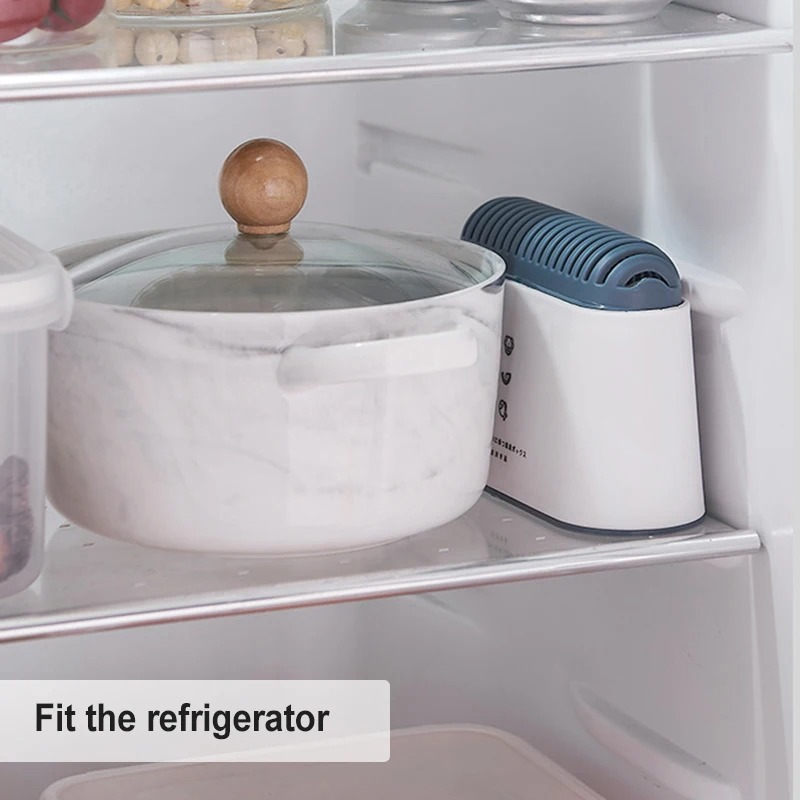
Baking soda is a simple solution for neutralizing many common kitchen odors. It absorbs acid and base odor molecules instead of just masking them. Keep an open box in the fridge and a small dish in a cupboard to quietly absorb smells.
Use baking soda to scrub sinks, pans, and counters for grease removal. Sprinkle some in the bottom of the trash can or on a damp sponge left to deodorize for a few hours. For a stronger deodorizing soak, dissolve several tablespoons in warm water and rinse surfaces after a 10–15 minute soak.
Practical usage list:
- Open box in fridge or cabinet
- Sprinkle in trash cans or pet food bowls
- Paste with water to clean greasy surfaces
8. Steam Vinegar or Citrus to Neutralize Airborne Odors
Simmering white vinegar or citrus peels on the stove releases steam that helps neutralize odors in the air. This works because vinegar’s acetic acid interacts with alkaline odor compounds, and citrus oils refresh the air with clean-smelling volatiles.
To use: simmer one cup white vinegar and three cups water for 10–20 minutes, then ventilate the room. For a fresher scent, simmer orange or lemon peels with a cinnamon stick. This is a recommended, inexpensive trick that many households rely on after heavy cooking.
Example: After boiling seafood, simmer a pot of water with a cup of vinegar for 15 minutes then crack windows—this often eliminates the briny smell within an hour.
9. Try Coffee Grounds and Activated Charcoal for Passive Absorption
Coffee grounds and activated charcoal are both powerful odor absorbers. Coffee grounds add a pleasant coffee scent while capturing unwanted smells, while activated charcoal is neutral and very effective at trapping volatile compounds.
Place dry coffee grounds in shallow bowls around the kitchen for 24–48 hours, or use small sachets. Activated charcoal pouches or loose pellets in a breathable container work longer and are a helpful option for persistent odors, such as those from smokers or heavy cooking.
Table: Quick comparison
| Product | How it works | Best for | Notes |
|---|---|---|---|
| Baking soda | Chemical neutralizer | Fridge, trash, small spills | Cheap and safe |
| Coffee grounds | Absorbs + light scent | Short-term odor masking | Dispose after a few days |
| Activated charcoal | Adsorbs odor molecules | Long-term/highly persistent smells | Replace every 1–3 months |
10. Use Simmering Spices or Essential Oils for Immediate Freshness
If you want a pleasant, quick fix, simmer spices (cinnamon sticks, cloves, star anise) in water or use a diffuser with essential oils like lemon, eucalyptus, or lavender. This won’t remove the source, but it makes the room smell better while you address root causes.
Simmering spiced water for 10–30 minutes is a common kitchen trick before guests arrive. For day-to-day use, a small essential oil diffuser is a recommended tool—choose high-quality oils and follow safety guidelines around pets. Remember: avoid strong scents that only mask smells; pair this with cleaning to remove odor sources.
Practical example: After doing a lot of frying, simmer water with a couple of cinnamon sticks and orange peel while you clean. That combination replaces residual frying odors quickly and naturally.
11. Use an Air Purifier or Range Hood with Carbon Filter
Air purifiers that include activated carbon filters remove volatile organic compounds (VOCs) and cooking smells. If you live in a place where ventilation is limited, an air purifier can be a helpful option to clear lingering odors and airborne particles.
A quality range hood with an external vent is best for removing steam and grease. If ducting outdoors isn’t possible, choose a hood with a good carbon filter and grease traps, and replace filters regularly. These steps reduce the particles and oils that create long-term odor problems.
Practical tip: Run the purifier or hood during and for at least 20 minutes after cooking. For heavy cooks (frequent frying or grilling indoors), a mid-sized purifier with a carbon/HEPA combo is a recommended tool.
12. Prevent Future Smells: Routine Maintenance and Good Habits
Prevention is easier than deep cleaning. Keep a short cleaning routine: wipe splatters after each use, clean filters monthly, empty trash daily, and wash towels frequently. Small daily habits stop odors from building up into a persistent problem.
Create a quick after-cooking checklist:
- Turn on vents while cooking and 10–15 minutes after
- Rinse or wash pans immediately
- Empty compost or trash if food was involved
- Wipe counters and stovetop with a degreasing cleaner
Real-world routine: cook, clear, and ventilate. If you do these three things consistently, your kitchen will rarely feel foul—even after strong-smelling meals.
FAQ
Q1: My kitchen still smells after trying everything. What else could be wrong?
A1: Persistent odors can mean hidden grease in vents, dirty HVAC filters, or mold in walls/ceilings. Check range hood filters, ventilation ducts, under appliances, and behind the fridge. If you suspect mold or gas, call professionals.
Q2: Is it safe to use essential oils around pets?
A2: Some essential oils (tea tree, eucalyptus, citrus) can be harmful to pets. Use oils sparingly, ensure good ventilation, and consult your vet before diffusing around sensitive animals.
Q3: How do I remove smoke smell from walls and painted surfaces?
A3: Wash walls with a solution of warm water and vinegar or a trisodium phosphate (TSP) cleaner for heavy build-up. Repaint with a sealing primer if the smell persists.
Q4: Can I get rid of burnt food smell from my microwave permanently?
A4: Clean the microwave interior thoroughly. Steam with lemon or vinegar, scrub, and leave a bowl of baking soda inside overnight to absorb smells. For lingering odors, repeat or use activated charcoal.
Q5: Are commercial deodorizers worth it?
A5: Some commercial odor absorbers and enzyme cleaners work well for specific problems (garbage disposals, drains, carpets). Look for enzyme-based cleaners for organic smells and carbon-based products for airborne VOCs. Use them as part of a cleaning routine—not a substitute for cleaning.
Outro
A smelly kitchen is almost always the result of trapped food particles, grease, or moisture—not a sign that your whole home is doomed. The quickest fixes are ventilation, removing trash and food scraps, and cleaning the surfaces and textiles that hold the odor. Use neutralizers like baking soda, vinegar steam, or activated charcoal for stubborn smells, and consider an air purifier if ventilation is limited.
Pick a few of the practical tips here—ventilate immediately, clean pans and sinks, and wash towels—and make them a short after-cooking habit. That simple combination will solve most kitchen odor problems fast and keep your kitchen smelling fresh long-term.
Ready to try one now? Open a window, run the hood, and target the source—your kitchen will thank you.