How To Remove Mold Smell From Room: 7 Simple Steps That Work
Mold smell — that persistent, musty odor — tells you there’s hidden moisture and microbial growth somewhere in the room. It’s unpleasant and can make a space feel unhealthy, even if mold patches aren’t obvious. The odor usually comes from volatile compounds produced by mold and mildew feeding on organic materials like drywall, wood, fabric, and dust.
This happens because mold needs moisture, food, and time. A slow leak, high indoor humidity, poor ventilation or damp fabrics can feed tiny colonies until they emit that sour, earthy smell. Often the smell lingers after surface cleaning because the spores or mold-damaged materials remain behind the surface.
In this guide you’ll learn seven practical, actionable steps to stop the smell at the source, clean affected surfaces, and prevent recurrence. I’ll include safety tips, recommended tools, real-world examples, and simple solutions you can try with household items or a recommended tool when needed.
Quick overview — the seven steps
- Find the source of moisture and mold.
- Isolate the area and protect yourself.
- Clean or remove the moldy material.
- Dry thoroughly and control humidity.
- Neutralize lingering odors.
- Purify and ventilate the room.
- Prevent future growth.
Step 1 — Locate the Source: Follow the Smell and Inspect
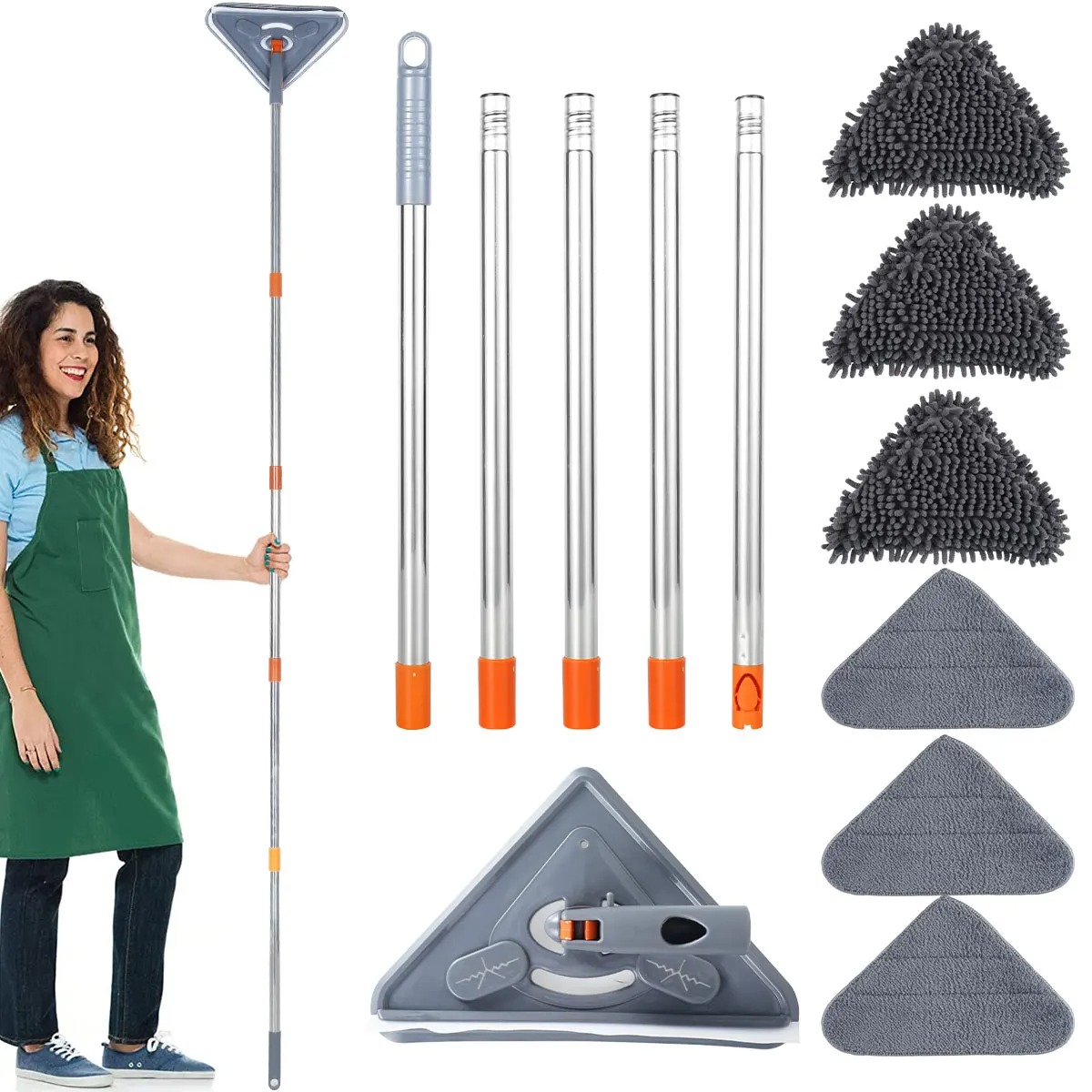
The first step is detective work: follow the strongest part of the odor. Check behind furniture, inside closets, under rugs, around windows, baseboards, air vents, bathrooms, and near AC units. Look for visual clues like discoloration, peeling paint, bubbling wallpaper, or visible mold spots.
Moisture is the root cause, so inspect plumbing, rooflines, condensation on pipes, and leaking windows. Practical example: if the smell is strongest near the bedroom closet, remove clothes and inspect the back wall and floor for damp patches. A small leak behind a wardrobe can cause mold in the drywall without obvious surface staining at first.
If you can’t find the source by sight or smell, use tools: a simple moisture meter (recommended tool) helps pinpoint damp spots, and a flashlight with a narrow beam highlights surface changes. Document suspected areas on your phone so you can track whether treatments improve the smell.
Step 2 — Isolate and Protect: Contain Spores Before You Clean
Before cleaning, isolate the area to avoid spreading spores. Close doors, cover door frames with plastic sheeting if the infestation is significant, and shut off HVAC vents that serve the room. For minor mold on a small patch, simply keep windows open and fans off until cleaning begins to avoid blowing spores through vents.
Protect yourself: wear gloves, goggles, and an N95 mask (or higher) when scrubbing mold. For larger areas (greater than about 10 square feet), consider hiring a pro — disturbing big infestations can release a large spore cloud. Practical example: when cleaning a bathroom fan housing, turn off electricity, wear an N95, and gently remove the grille to vacuum and wipe it down.
Containment also protects your belongings. Move unaffected items out of the room or seal them in plastic bags while you treat the area. This reduces recontamination and makes it easier to judge whether the odor improves after cleanup.

Step 3 — Clean or Remove Moldy Materials Properly
Cleaning works on non-porous surfaces like tile, metal, glass, and sealed countertops. Use a mild detergent or a mixture of white vinegar and water (50/50) as a simple solution for many surfaces. with a brush, rinse, and dry thoroughly. Practical example: grout lines can be scrubbed with a vinegar spray and toothbrush, then rinsed and dried.
Porous materials such as drywall, ceiling tiles, insulation, and some carpets often need removal because mold roots penetrate and continue to smell even after surface cleaning. For example, water-damaged drywall often should be cut out and replaced; painting over moldy drywall will only mask the problem temporarily and keep the odor. When removing materials, bag them sealed and discard according to local regulations.
When using stronger cleaners, remember: bleach kills surface mold on non-porous surfaces but is ineffective for porous materials and can damage finishes. Hydrogen peroxide and specialized fungicidal cleaners (this type of product) can be helpful on some surfaces — follow label instructions and use ventilation. A HEPA vacuum (recommended tool) after the area is dry helps remove residual spores.
Step 4 — Dry Thoroughly and Control Humidity
Drying is the most important long-term fix. Use fans, dehumidifiers, and open windows to accelerate drying after cleaning or after water intrusion. Aim to keep indoor relative humidity between 30–50%; many molds grow more readily above 60%. Practical example: after cleaning a damp carpet, use a wet/dry vacuum, then run a dehumidifier and fans for at least 24–48 hours until the pad and subfloor are dry.
Address the root moisture source: fix leaks, improve roof flashing, seal windows, and insulate cold surfaces to reduce condensation. In bathrooms and kitchens, use exhaust fans during and after showers or cooking to remove moisture at the source.
A recommended tool is a portable dehumidifier for basements or rooms that stay damp. For whole-house issues, consult a contractor for better insulation, basement waterproofing, or HVAC solutions. See related guides on reducing indoor humidity and preventing mold growth for long-term strategies.
Step 5 — Neutralize Lingering Odors: Natural and Commercial Options
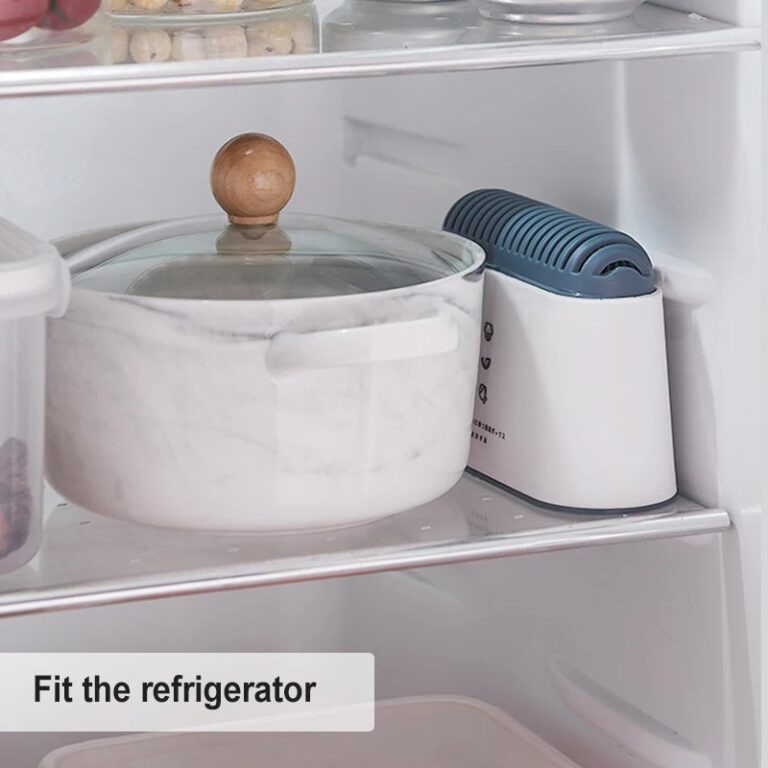
Once the mold is gone and the room is dry, neutralize residual musty odors with odor absorbers rather than just masking them. Helpful options include baking soda, activated charcoal, and odor-neutralizing gels. Place bowls of baking soda or boxes of activated charcoal around the room for several days; they slowly absorb airborne odor molecules. Practical example: put an open box of baking soda on a nightstand and one in a closet for 72 hours to reduce persistent musty smells.
A small table comparing common odor neutralizers:
| Product | Best for | Pros | Cons |
|---|---|---|---|
| Baking soda | Mild odors, closets | Cheap, non-toxic | Slower, needs replacement |
| Activated charcoal | Strong odors, basements | Very effective absorber | Requires enclosed placement |
| White vinegar | Surface odors, fabrics | Kills some microbes, inexpensive | Strong smell while working |
| Commercial odor neutralizer (enzymatic) | Severe odors | Designed to neutralize, fast | Costlier, variable ingredients |
Use white vinegar (undiluted or 1:1 with water) to wipe non-sensitive surfaces and for laundering washable fabrics. For deep-set carpet or upholstery odors, consider a recommended professional steam cleaning service or a rental carpet cleaner designed for odor removal. Avoid heavy perfumes — they can hide smells temporarily but won’t fix the cause.
Step 6 — Purify Air and Improve Ventilation
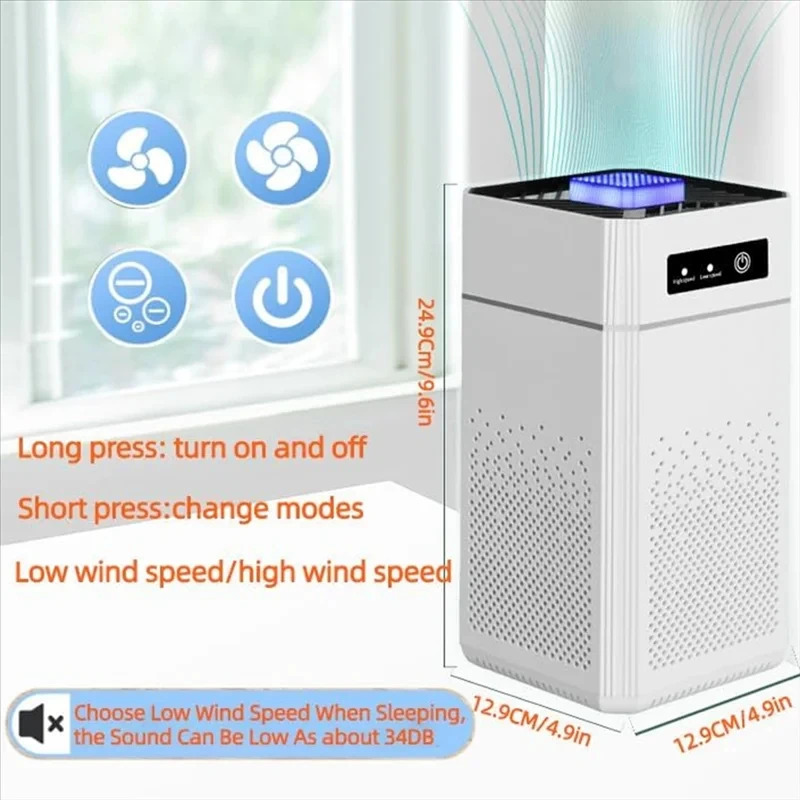
Improving air exchange helps remove airborne spores and odor compounds. Open windows when outdoor air quality allows, and use fans to push stale air out. For ongoing control, an air purifier with a HEPA filter (recommended tool) removes spores, dust, and particulates; some models include activated carbon layers that reduce odors.
Practical example: after cleaning a damp basement, run a HEPA air purifier on medium and a dehumidifier set to 45% RH for several days; you’ll often notice the musty smell dissipate within 24–72 hours. Place the purifier in the area where the smell is strongest and keep interior doors open to promote circulation.
For rooms with poor ventilation (windowless bathrooms, closets), consider adding a small inline fan or upgrading the HVAC return placement. If HVAC systems are suspected to harbor mold or distribute odors, have ducts inspected and cleaned by a qualified technician and replace used filters regularly.
Step 7 — Prevent Recurrence: Simple Habits and Maintenance
Prevention is about moisture management and regular checks. Use exhaust fans during showers, fix plumbing issues promptly, and avoid storing damp items in closed spaces. Rotate and air out fabrics like rugs, cushions, and clothing that sit in closets for long periods. Practical example: after a humid summer, pull out seasonal clothing and inspect the closet for any signs of condensation or mustiness.
Consider long-term upgrades like improving insulation, sealing foundations, and installing a whole-house dehumidifier in wet climates. Keep houseplants to a minimum in rooms with persistent humidity, and use breathable storage containers instead of plastic bins that trap moisture against fabrics.
Routine maintenance: schedule quick visual checks monthly in prone areas (under sinks, behind washers, around window sills). Replace old caulking and repair grout lines, and change HVAC filters monthly during high-use seasons. Small, consistent steps prevent the musty smell from ever returning.
FAQ
Quick intro: Below are common questions and concise answers to help you troubleshoot mold smells. If a smell persists despite these steps, consider professional mold remediation or a contractor to look for hidden leaks.
Q1: How can I tell if the smell is mold or something else?
A: Mold smells musty and earthy. Rotten or sewage-like smells often indicate a plumbing issue. If uncertain, inspect for visible mold, moisture, or check near drains and vents.
Q2: Can I use bleach to remove mold smell?
A: Bleach can kill surface mold on non-porous surfaces but won’t penetrate porous materials and isn’t recommended for everything. Use it sparingly and only on appropriate surfaces; safer options include vinegar or commercial fungicides for some cases.
Q3: How long will the smell last after cleaning?
A: If the mold source is removed and the area dried, odors usually fade in 24–72 hours with ventilation and odor absorbers. Persistent odor suggests remaining damp material or hidden mold.
Q4: Are air purifiers enough to remove mold smell?
A: HEPA air purifiers remove spores and some particulates, and models with activated carbon reduce volatile odor compounds. They help but should be combined with source removal and moisture control.
Q5: When should I call a professional?
A: Call a pro if the affected area is large (greater than 10 sq ft), if mold returns after cleaning, if there is structural damage, or if you have health concerns. Professionals can locate hidden moisture sources and perform safe remediation.
A musty, moldy smell is a warning — treat it by finding and fixing moisture, cleaning or removing contaminated materials, drying thoroughly, and neutralizing lingering odors. Use simple solutions first (vinegar, baking soda), and bring in recommended tools like a HEPA vacuum, dehumidifier, or air purifier when needed.
Stay proactive: regular checks and moisture control stop the smell from coming back. If the odor persists or infestation is large, consult a professional for remediation. Take action now — a dry, well-ventilated room will feel fresher and healthier quickly.