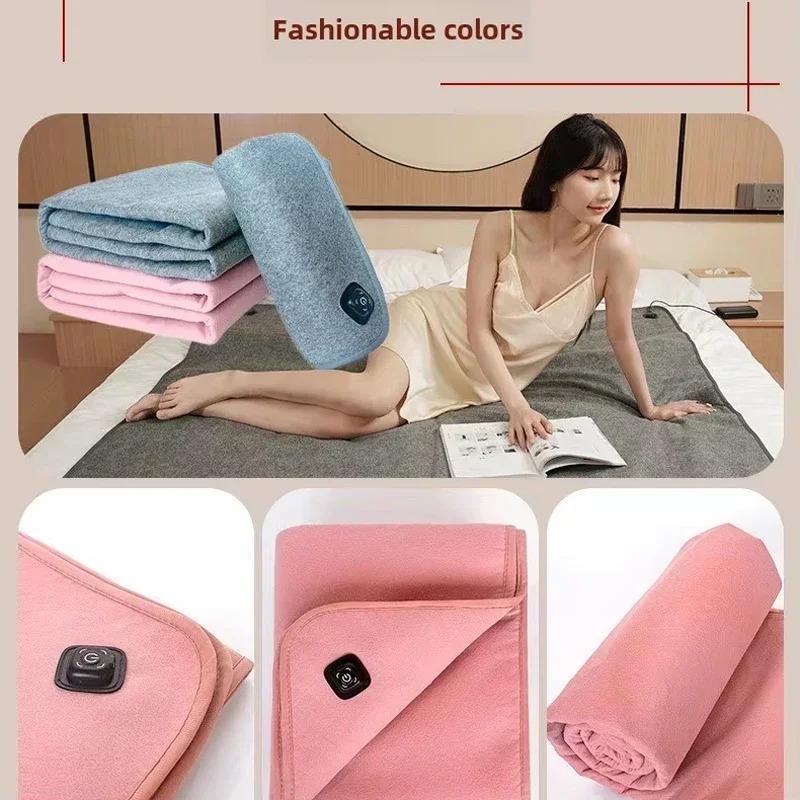

Can you sleep with electric blanket on safely? What to know
Many people wonder: can you sleep with an electric blanket on safely? The concern comes from worries about fire, burns, electric shocks, and health effects from long-term exposure. These worries happen because electric blankets combine heat and electricity close to your body for hours, and older or damaged units can fail.
 CHECK PRICE
In this article you’ll learn what makes electric blankets safe or unsafe, the main risks, and practical steps to reduce those risks. I’ll show real-world examples, give easy-to-follow precautions, and point you toward helpful options and alternatives so you can sleep warm without unnecessary worry.
Read on for clear guidance, quick checks you can do tonight, and buying/maintenance tips that actually work.
How electric blankets work
Electric blankets use thin, insulated heating wires or carbon fiber panels embedded inside fabric to generate warmth when electricity flows through them. A control unit or thermostat lets you set a temperature or timer; some modern models have separate zones and automatic shut-off features. Understanding this basic design helps explain the risks and how to manage them.
Because the heating elements are inside the blanket, damage (pinching, folding sharply, or washing with the controller attached) can break insulation or the wires, which is why physical wear is a common cause of failure. Older blankets often lack modern safety features, so age and visible wear are important safety indicators. For example, a 12-year-old blanket with frayed fabric and a stiff cable is a greater risk than a 2-year-old model with an automatic shutoff.
 VIEW DETAILS
The simple solution for safer use is inspection and proper operation: check cords and fabric, follow washing instructions, and consider replacing blankets older than the manufacturer’s recommended lifespan. A recommended tool like a timer or a blanket with an automatic shutoff reduces overnight exposure and addresses many common concerns.
Are electric blankets safe to sleep with?
Short answer: yes — but only if you use a blanket in good condition and follow safety guidelines. Modern electric blankets designed for sleeping typically include features such as overheat protection, timers, and automatic shut-off, which lower risk. Using these features correctly makes overnight use much safer than leaving older, damaged units switched on all night.
The main safety issues come from misuse or disrepair. Examples include leaving a controller under a sleeper’s body, folding the blanket so wires concentrate heat, or using an older blanket past its safe lifespan. Real-world incidents (fires or burns) are usually linked to these avoidable mistakes rather than the concept of electric blankets themselves.
 READ FULL REVIEW
If your goal is to fall asleep warm and then avoid continuous heating, using a timer to preheat the bed and then turn off is a helpful option. Alternatively, a heated mattress pad set to a low, constant temperature with proper fit can be an equally safe choice for overnight warmth.
Main risks and how to reduce them
Fire risk: damaged wiring, exposed connectors, or overheating are the main culprits. Reduce that risk by inspecting the blanket for frayed fabric, exposed wires, scorched marks, or a damaged controller. Unplug the blanket if you smell burning or see discoloration; replace it rather than attempt a repair yourself.
Burns and skin irritation are possible when the blanket is set too hot or when sensitivity is increased (common in older adults or people on certain medications). Avoid high settings for prolonged periods and place the controller where it won’t be directly under a limb or torso. For example, set a timer to warm the bed before sleep and then switch to a low setting or off, especially if you or your partner have reduced heat sensation.
 COMPARE OPTIONS
Electrical shock risk is low if the cord, plugs, and controller are intact, but using extension cords, folding the blanket sharply, or sleeping with wet skin raises the chance of problems. Always use the blanket on a flat surface, follow the manufacturer’s instructions, and keep the controller and plug dry. If you live in a place with frequent power surges, a simple surge protector can add protection.
Best practices for sleeping with an electric blanket
Follow these actionable steps every time: read the manual, never tuck a controller under you, avoid folding the blanket while it’s hot, and use a timer or automatic shutoff when available. These habits address the most common causes of accidents and are easy to adopt tonight. For example, set the blanket to warm the bed for 30–60 minutes before climbing in, then turn it off.
Quick checklist:
- Inspect before use: cords, fabric, controller
- Use the lowest comfortable setting for sleep
- Don’t sleep with pets that may chew or bunch the blanket
- Avoid using with water or in damp conditions
A few practical examples: if you’re prone to overheating, try a short preheat and then turn the blanket off; if you have cold feet, use the blanket on a low setting focused at the foot of the bed rather than high heat across the entire surface. These small adjustments lower risk while keeping you comfortable.

Special populations: elderly, infants, and people with medical conditions
Infants and very young children: never use an electric blanket directly in a crib or allow an infant to sleep directly on or under an active electric blanket. Babies can’t regulate temperature well and are at higher risk of overheating or burns. Instead, use a preheated bed with the blanket turned off before placing the baby in the crib.
Elderly people and those with reduced sensation (diabetes, neuropathy, neuropathic medication) can be unaware of burns developing. For these groups, a recommended tool is a heated mattress pad with low, steady heat or a blanket with an automatic shutoff and clear temperature controls. Real-world example: a family I advised switched to a timed preheat routine for an elderly parent with neuropathy and reduced incidents of skin irritation.
People with implanted electronic devices (pacemakers) should consult their doctor before regular use. Although modern blankets emit very low EMF, the safe approach is to confirm with a healthcare provider and choose a product with minimal electromagnetic emissions. For these users, this type of product with certification and manufacturer EMF info is a safer option.
Choosing and maintaining your electric blanket
When shopping, prioritize features: overheat protection, automatic shutoff, replaceable controllers, and clear cleaning instructions. A helpful option is to choose a model with separate zones and a low-voltage system—these reduce hot spots and lower electrical load. Practical example: a couple who bought a dual-zone blanket reported fewer arguments about temperature and safer, more consistent use.
Inspect and maintain regularly. Below is a simple maintenance table to help you know when to replace or service a blanket.
| Task | Frequency | What to look for / do |
|---|---|---|
| Visual inspection | Before each season | Frays, burn marks, exposed wires, stiff controller |
| Washing | As manufacturer recommends | Remove controller, gentle cycle or hand wash if allowed |
| Functional test | Monthly during use | Controller works, heat levels change, no odd smells |
| Replacement | Every 5–10 years or sooner | Visible damage or loss of function; older models without safety features |
If you notice any damage, stop using the blanket and replace it. Don’t attempt to repair internal wires yourself—this is not a DIY job. Use a recommended tool like a surge protector and keep the controller away from heavy pressure or folding.
Alternatives to using an electric blanket overnight
Heated mattress pads provide warmth from below and tend to be more stable because wires are tucked under the mattress, reducing folding stress. They’re a helpful option for people who want consistent low-level heat all night. Consider a pad with an automatic shutoff if you prefer not to worry about overnight heating.
Hot water bottles or microwavable heat packs are low-tech, inexpensive alternatives for short-term warmth and are great as preheat solutions. They don’t carry electrical risks during sleep but lose heat faster and need reheating. Use caution with leaks and ensure covers are intact to prevent burns.
Layering clothes and bedding (thermal sheets, wool blankets, down comforters) remains one of the safest ways to stay warm through the night. If you’re deciding between products, see our related guide on choosing a heated mattress pad and our tips on sleep hygiene and bedroom temperature for additional ideas.
FAQ
Below are common quick answers for people asking “can you sleep with an electric blanket on safely?” and related concerns. These cover typical scenarios and simple fixes so you can act quickly.
Q: Can an electric blanket catch fire? A: Yes, if damaged, misused, or very old; reduce risk by inspecting, avoiding folds while in use, and replacing aged units. Q: Is it safe to leave an electric blanket on all night? A: Not recommended—use a timer or automatic shutoff; preheat then turn off if possible. Q: Can I wash my electric blanket? A: Many modern blankets are machine-washable after removing the controller; always follow the manufacturer’s cleaning instructions. Q: Are electric blankets safe for people with pacemakers? A: Consult your doctor first; choose low-EMF models and keep controls away from the chest area. Q: How often should I replace my electric blanket? A: Typically every 5–10 years or sooner if you see wear, lose features, or smell burning.
Conclusion
Yes—you can sleep with an electric blanket on safely, but it depends on condition, correct use, and choosing the right product for your needs. The key causes of problems are age, damage, and misuse; the solutions are inspection, proper operation (timers/auto-shutoff), and sensible alternatives when appropriate.
Start tonight: check cords and fabric, never tuck the controller under you, and consider using a timer or preheating the bed instead of running high heat all night. If you have special health concerns, consult a healthcare provider and opt for a recommended tool or product type that minimizes risk.
If you want more on related topics, see our guide to choosing a heated mattress pad and tips for setting an optimal bedroom temperature for sleep. Stay warm and stay safe.