
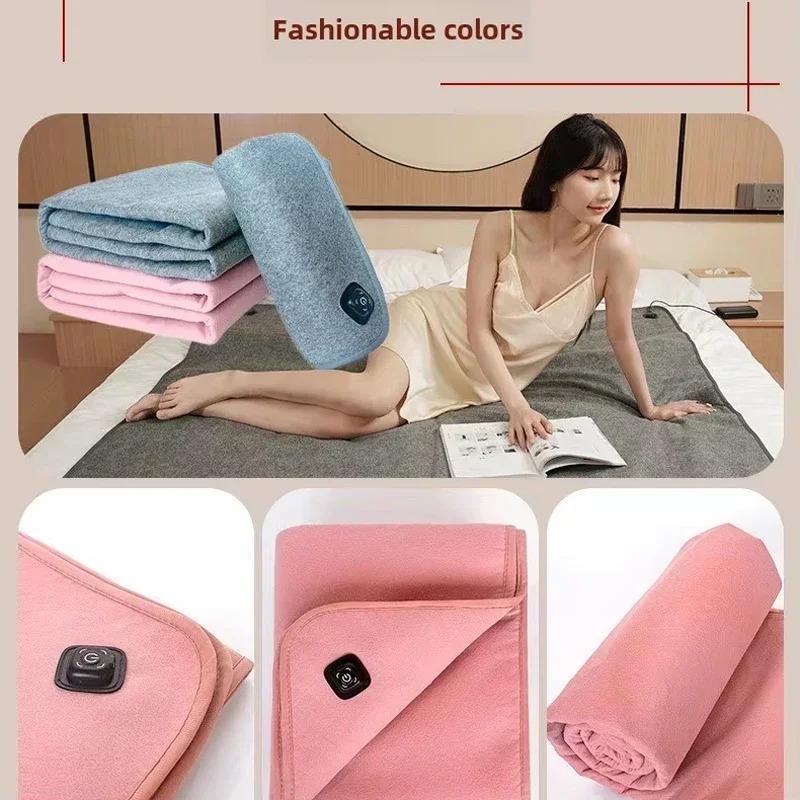
Electric blanket vs heated mattress pad: which is safer to use?
Choosing between an electric blanket and a heated mattress pad often comes down to comfort—but safety should come first. Both warm your bed with electrical wiring, and when wiring, heat, and bedtime routines mix, the risk of burns, malfunction, or fire increases.
Those risks happen because of design differences (blankets sit on top, pads go under the sleeper), user behavior (folding, leaving on, pets chewing cords), and product condition (frayed wires, old controls). Small mistakes or worn components are where most incidents start.
In this article you’ll get a clear, practical answer to “which is safer,” the real causes of danger, a side-by-side safety comparison, maintenance steps, and everyday tips. Read on for a simple solution and recommended tools to keep warm without adding risk.
 COMPARE MODELS
Quick verdict: which is safer?
Short answer: heated mattress pads are generally safer for overnight use. Because they sit underneath the sheets and distribute heat more evenly they’re less likely to create hot spots or be folded while powered—two common causes of fires and damage.
That doesn’t mean electric blankets are dangerous by default. Modern electric blankets with auto-shutoff, low-voltage wiring, and good care can be safe for pre-warming a bed or short-term use. For overnight heating, though, a heated mattress pad with an adjustable thermostat and timer is a helpful option.
When choosing, look for key safety features: certification (UL/ETL), auto-shutoff/timers, low-voltage or dual-core wiring, and clear laundering instructions. These are simple solutions that reduce risk and make either product safer in real homes.
 COMPARE PRODUCTS
How electric blankets and heated mattress pads work
Electric blankets have heating wires woven into a top-layer that sits over you. Controls often let you set zones or heat levels, and the blanket may be folded or moved during use—actions that can stress wires or create concentrated heat spots if not managed.
Heated mattress pads have heating elements inside a pad that fits over the mattress but under sheets. That placement keeps the wires protected from being folded or tangled, and the mattress helps spread heat more evenly. Most pads are designed for continuous low-level heat and include thermostats or timers.
Causes of failure usually trace to mechanical damage (crushed or pinched wires), connectors that get wet or dirty, and user habits like leaving devices plugged in unattended. Actionable rule: handle cords gently, avoid tucking or folding while powered, and use the control features to limit continuous high heat.
 COMPARE FEATURES
Fire and overheating risks
Most fires and overheating incidents occur when wiring is damaged, when a blanket or pad is folded while on, or when a device is used beyond its intended purpose (e.g., using an electric blanket on a waterbed or with oxygen therapy). Pets chewing cords and poor storage that bends wires sharply also increase risk.
Mitigation steps you can apply today:
- Unplug when not in use and use auto-shutoff timers for overnight warmth.
- Never fold an electric blanket while it’s plugged in.
- Replace units with frayed cords or inconsistent heating patterns immediately.
Comparison table — typical risks and mitigations
| Hazard | Electric blanket | Heated mattress pad | Mitigation |
|---|---|---|---|
| Folding/creasing hot spots | Higher (on top) | Lower (under sheet) | Avoid folding; tuck properly; use auto-shutoff |
| Wire crushing from body weight | Medium | Lower | Use mattress pad designed for compression; avoid thick mattress toppers |
| Cord chewing by pets | Higher (exposed cord) | Medium (often side connector) | Route cords away; use cord covers; supervise pets |
| Overnight continuous use | Risk if old/no auto-shutoff | Lower if thermostatted | Use timers/auto-shutoff; low-voltage options |
Real-world example: a family that used an older electric blanket to pre-warm the bed left it folded at the foot and plugged in; a worn spot ignited when the heating element overheated. Swapping to a modern heated mattress pad with auto-shutoff and not leaving it plugged solved that risk.
 VIEW COMPARISON
Burns, skin safety, and vulnerable sleepers
Direct contact with an electric blanket set to a high level can cause burns, especially for people with reduced sensation (diabetes, neuropathy), older adults, or infants. Heated mattress pads reduce direct hot-spot contact but can still be too warm if set improperly or malfunctioning.
Actionable measures:
- Avoid using electric blankets on infants or people who cannot adjust controls.
- Use lower settings and timers, and place a thin barrier (sheet) between skin and the heating element for electric blankets.
- Consider “this type of product”—low-voltage mattress pads with precise thermostats—when caring for vulnerable sleepers.
Practical example: an older adult with diabetic neuropathy switched from an electric throw to a thermostatted heated mattress pad and set the pad to a constant low temperature with a 6-hour auto-shutoff, reducing burn risk and maintaining comfort.

Maintenance: inspection, cleaning, and lifespan
Wiring damage often begins with everyday wear: connectors that get wet, washers that snag cords, or storage that sharply bends elements. Regular inspection is the best prevention—look for frayed cables, uneven heating, scorch marks, and unplugged or loose connectors.
Cleaning depends on the product: many modern pads and blankets are machine-washable if you remove the controller, but always follow the manufacturer’s instructions. Always unplug and allow complete drying before plugging controls back in. Replace any unit that shows physical damage or uneven heating; typical safe lifespan is often 3–10 years depending on use and build quality.
Maintenance checklist (frequency suggestions):
- Visual inspect cords and seams: monthly
- Test different heat settings: monthly
- Wash/remove controllers per manual: seasonal or as needed
- Replace unit: if damaged or after several years of heavy use
Practical safety tips for everyday use
Set the device to pre-warm (turn off before sleep) when possible—this simple solution reduces overnight continuous heating. If you need overnight heat, use a timer or auto-shutoff, and choose low settings rather than max power.
Route and secure cords so they aren’t pinched by bed frames, clipped under rails, or running under a mattress where they can be crushed. Keep cords away from infants and pets, and consider a cord cover or the recommended tool of a simple cable clip to reduce tripping and chewing risks.
If you use the product while sitting up (reading, watching TV) avoid folding or bunching the blanket under your legs. For heated mattress pads, always use a proper fitted sheet over the pad to keep heat spread and protect wiring. These small habits stop most common problems.
Choosing the right product
Look for certification marks such as UL, ETL, or equivalent local standards—this indicates the product met independent safety testing. Other desirable features are auto-shutoff, adjustable thermostats, low-voltage designs, and washable construction with removable controls.
A helpful option is a heated mattress pad with an integrated thermostat and a timer; these often offer the best overnight profile because they are intended for continuous, low-level heat. For occasional, quick warmth (pre-warming a bed), a modern electric blanket with low-voltage wiring and auto-shutoff can be a recommended tool.
Also check warranty length and customer support, read recent reviews focusing on durability and reliability, and avoid second-hand or vintage units. These steps make your purchase decision about safety, not just comfort.
FAQ
Q: Is a heated mattress pad safer than an electric blanket for overnight use?
A: Generally yes—heated mattress pads distribute heat under the sheets and are less likely to be folded or creased while powered, lowering fire and hot-spot risk.
Q: Can electric blankets cause fires?
A: They can if wires are frayed, the blanket is folded while plugged in, or controls fail. Use modern units with auto-shutoff and inspect cords regularly to reduce this risk.
Q: Are there safe low-voltage options?
A: Yes—low-voltage electric bedding reduces the potential for dangerous heat buildup. Look for models explicitly marketed as low-voltage or dual-core and certified by a recognized lab.
Q: Can I wash a heated mattress pad or electric blanket?
A: Many are machine-washable after removing the controller, but check the manual. Never wash or dry with controllers attached and ensure full drying before reconnecting.
Q: Who should avoid using electric bedding?
A: Infants, people with reduced heat sensation (e.g., severe neuropathy), and anyone using supplemental oxygen should generally avoid electric blankets and consult a physician for alternatives.
Conclusion
Heated mattress pads are typically the safer choice for overnight heating because they sit under the sheets, spread warmth evenly, and are designed for continuous low-level use. Electric blankets can be safe for pre-warming or occasional use when they have modern safety features and you follow care instructions.
Your best actions right now: choose certified products with auto-shutoff, inspect cords regularly, use timers, and avoid using electric bedding for infants or those with impaired sensation. These simple solutions and recommended tools will keep nights warm without adding unnecessary risk.
If you want more on creating a safe sleep environment, see related guides on bedroom fire prevention and choosing low-EMF bedding for sensitive users. Stay warm—and stay safe.


