
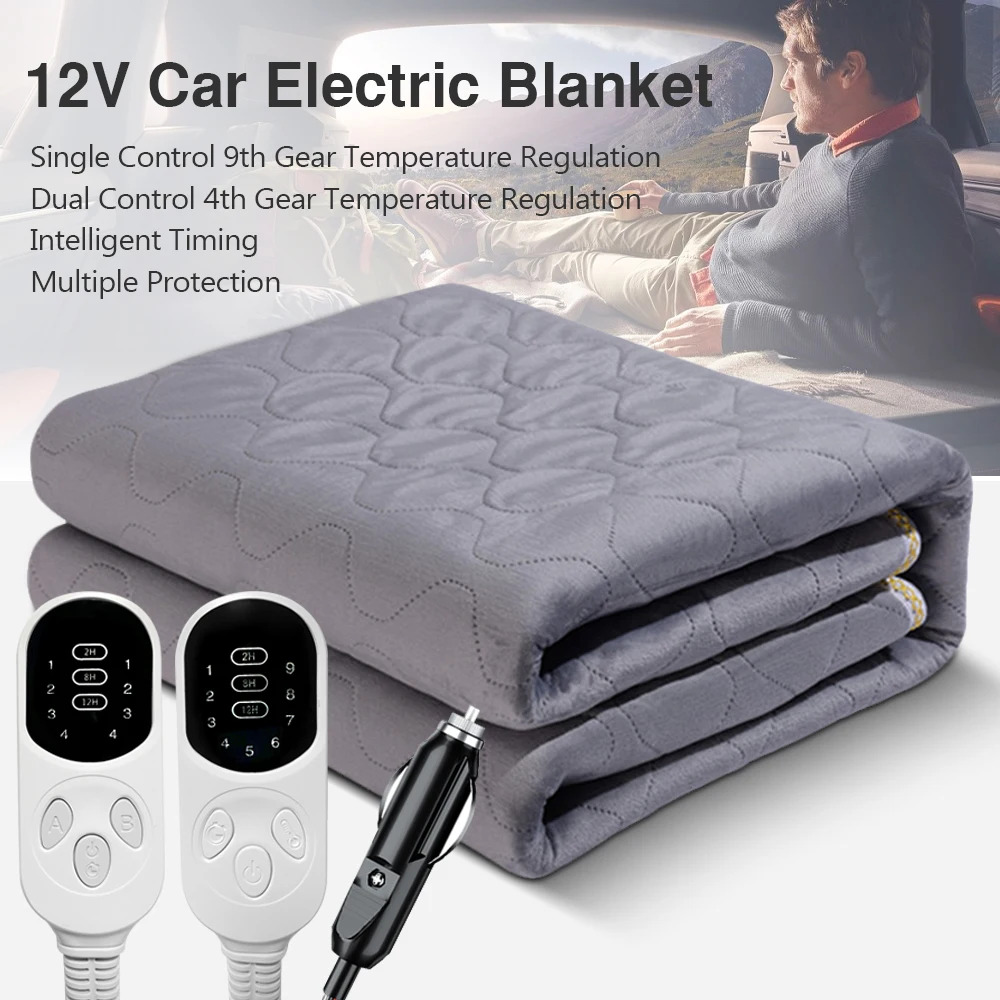
Are electric blankets safe? How to lower fire and shock risk
Electric blankets are convenient and cozy, but many people worry they might start a fire or give a shock. Those risks come from worn wiring, poor design, improper use, or damage from washing, pets, or folding. Knowing how and why problems happen lets you use them safely.
In this article you’ll learn what causes fires and shocks with heated bedding, how to reduce both risks, what to look for when buying, and practical maintenance steps. I’ll include simple solutions, a recommended tool list, and real-world examples so you can protect your home without giving up comfort.
Read this as a practical safety checklist you can act on tonight: quick checks, things to avoid, and when to replace or stop using an electric blanket.
 CHECK PRICE
Are electric blankets safe?
Electric blankets can be safe when used and maintained correctly. Modern units with automatic shutoff, temperature control, and safety certifications (UL, ETL, CE) dramatically reduce the chance of overheating or electrical fault. However, older blankets, DIY repairs, or blankets with visible wear are a common source of trouble.
The biggest safety problems come from physical damage to the internal wires, bending or folding that causes heat buildup, and using models not designed for continuous overnight use. Another frequent cause is stacking layers (like placing a blanket under heavy bedding) which prevents heat from dissipating and stresses the wires. A simple solution is to treat heated blankets like any other electrical appliance: inspect often and follow the manufacturer’s care instructions.
If you want a lower-risk alternative, consider this type of product: heated mattress pads or throws with low-voltage systems or cordless heated pads. They still require sensible use, but many offer safer designs for prolonged contact with the body.
 VIEW DETAILS
How electric blankets cause fires and shocks
Physical damage is the most common cause. Pets chewing cords, sharp objects poking the blanket, or repeated folding can break or fray the insulated heating wires. When insulation breaks, exposed wires can short or create hot spots that ignite nearby bedding. For example, an older blanket left folded in a closet developed a hotspot and eventually melted fabric when turned on.
Electrical faults and poor wiring design are other causes. Cheap or counterfeit models may lack proper fusing, thermal cutouts, or use inadequate wire gauges. An overloaded circuit or a damaged plug can lead to arcing — tiny sparks that produce enough heat to start a fire. A real-world case: a plug with a partially detached ground prong caused intermittent arcing and a smoldering smell before the user noticed.
Water damage and improper washing can also lead to shocks. If internal insulation is compromised by machine washing or a high-spin cycle, moisture and mechanical stress can lead to low-resistance paths and shock risk. Follow care instructions and avoid tampering with or attempting DIY repairs to internal wiring.
 VIEW DETAILS
READ FULL REVIEW
VIEW DETAILS
READ FULL REVIEW
How to lower fire risk
Start with a visual inspection before each season: look for frayed fabric, lumps, exposed wires, burn marks, or scorch smells. Replace any blanket showing those signs. Don’t attempt to stitch, tape, or glue repairs on wires; that’s a temporary fix that can make things worse. A practical example: replace a blanket rather than try to fix a burned seam — replacement is safer and often less costly than the risk.
Use blankets as the manufacturer intended. Don’t fold them while powered on, never tuck them under a mattress unless the model is rated for that, and avoid piling heavy bedding over the blanket. This helps prevent heat trapping. Allow for airflow and place the blanket on top of sheets unless the product specifically allows under-sheet use.
Choose models with safety features: automatic shutoff/timer, multiple heat settings, overheat protection, and safety approvals (UL, ETL, CSA or CE). Consider a recommended tool — a plug-in heat sensor or a smart outlet that can cut power after prolonged use — as a helpful option to add a layer of protection.
Bulleted quick fire-risk actions:
- Inspect for damage each season and after washing
- Replace blankets older than recommended by the manufacturer (often 5–10 years)
- Avoid folding/creasing when powered; store flat or rolled
- Use auto-shutoff and low-heat settings for extended use
Table: Risk comparison of heated bedding types
| Product type | Typical safety features | Relative fire risk |
|---|---|---|
| Electric blanket (classic) | Varies; some with timers/auto-off | Medium–High (older models higher) |
| Heated throw | Often shorter cords, lower wattage | Medium |
| Heated mattress pad | Designed for under-sheet use, secure fit | Lower if properly installed |
| Low-voltage heated pad | Low-voltage adapters, safer wiring | Lowest |
 COMPARE OPTIONS
How to lower shock risk
Avoid using electric blankets if the cord, plug, or connector feels warm, loose, or shows corrosion. Unplug before adjusting or tucking the blanket. If you smell burning or feel tingling, unplug immediately and don’t use until inspected or replaced. Example: a user noticed a slight tingle when touching a heated throw — it was traced to a damaged ground in the cord.
Never use a blanket if it has been machine-damaged or if the internal wiring has been exposed. When washing, follow the exact care instructions: many modern blankets are machine washable on gentle cycles, but some recommend hand wash only. A simple solution is to use a recommended tool — a multimeter — to check for continuity and insulation resistance on older units before use.
Keep electrical connections dry and off the floor, and avoid using extension cords or power strips that are not rated for the blanket’s current draw. Extension cords can overheat or be accidentally pulled. A helpful option is using a dedicated outlet with proper wiring, or a smart plug with overload protection for added safety.
Bulleted shock-reduction steps:
- Unplug before cleaning, adjusting, or storing
- Don’t sleep with wet or damp heated bedding
- Replace damaged cords and avoid DIY fixes
- Prefer models with grounded plugs and polarized connectors

Buying and using safe electric blankets
Buy from reputable brands with up-to-date safety certifications. Look for clear labeling of voltage, maximum wattage, and care instructions. Read user reviews for real-world issues like durability and heating consistency. A recommended tool when shopping is a voltage tester or checking retailer return policies — reliable sellers often offer better customer support for recalls or defects.
Choose features that match how you’ll use the blanket: timers and automatic shutoff for overnight or long sessions, dual controls for couples, and low-voltage systems for increased safety. If you share a bed, consider blankets with separate controls so one side doesn’t overheat. A helpful option is a blanket with a detachable controller — that makes replacement easier if the control fails.
Consider alternatives if you or household members are high risk (elderly, infants, mobility-impaired): heated mattress pads with low-profile wiring, or wearable heated clothing and hot water bottles. For toddlers and babies, follow child-safety guidance and avoid using electric blankets; see related guides on safe sleeping for infants.
Bulleted buying checklist:
- Safety certification (UL/ETL/CE)
- Automatic shutoff/timer feature
- Detachable controller and replaceable parts
- Clear washing instructions and warranty
Maintenance, inspection and storage
Inspect periodically: run your hand over the blanket with it unplugged to feel for lumps or hard spots that could indicate wire damage. Check plugs and cords for discoloration or stiffness. If you find damage, replace the unit — example: a blanket with a kinked cord developed a hotspot after a month; replacement avoided a potential fire.
Follow washing and drying instructions to the letter. Some blankets are machine washable on gentle cycles; others require hand washing or spot cleaning. Use the recommended settings and avoid high heat in dryers, which can degrade wire insulation. A practical tip: if the controller isn’t detachable, check manufacturer advice before washing or use a recommended tool like a zip-top bag to protect the control during gentle hand washes (only if manufacturer permits).
Store blankets flat or loosely rolled to avoid creases and kinks. Never store powered-on, and keep them away from sharp objects and rodents. Label storage boxes and keep cords coiled loosely; rodents chewing insulation is a surprisingly common cause of damage in garages and basements.
Maintenance checklist:
- Visual and tactile inspection every 3–6 months
- Follow manufacturer washing/drying instructions
- Store flat or rolled, avoiding pressure points or sharp folds
When not to use an electric blanket
Do not use electric blankets on infants, newborns, or in cribs. Babies regulate temperature differently and can overheat; soft, heated surfaces also increase SIDS risk. Use approved room heating methods and always follow pediatric sleep-safety guidelines. See our related guide on safe infant sleep for more details.
Avoid use with people who cannot feel heat properly (neuropathy, certain disabilities) or who cannot unplug the blanket if needed. For these high-risk individuals, a safer option is a heated mattress pad with low-voltage systems or extra monitoring. Real-world example: a diabetic person with neuropathy stopped using a heated blanket after a near-burn incident and switched to a low-voltage heated mattress pad.
Also avoid use in damp environments (bathrooms, unheated tents) and never use if the blanket has been soaked or exposed to excessive moisture. Water compromises insulation and increases shock risk. If a blanket gets wet, unplug, dry fully per instructions, and inspect before reuse — when in doubt, replace it.
Quick safety checklist
Before you use or buy an electric blanket tonight, run through this short checklist. Unplug and inspect: cords, plugs, controller, and fabric for any damage. If you find issues, stop using it — this simple solution prevents most accidents. Example: one household smelled burning and found a frayed cord; unplugging and replacing avoided a fire.
Use safety features correctly: set timers, use low settings for long use, and avoid tucking the blanket under heavy bedding. For pets and kids, supervise their use or choose alternatives like warm pajamas or hot water bottles. A recommended tool for ongoing safety is a smart plug with automatic cutoff after a set time, giving peace of mind for forgetful users.
If you buy new, check for safety certifications and good warranty/support. Register your product when you buy and keep the receipt — manufacturers sometimes issue recalls or safety notices. For more on choosing safe home devices, see our guide to identifying electrical hazards.
Table: One-line checklist for bedtime use
| Action | Do/Don’t |
|---|---|
| Inspect for damage | Do |
| Use auto-shutoff/timer | Do |
| Fold while powered | Don’t |
| Use extension cords | Don’t |
| Replace if > manufacturer age recommendation | Do |
FAQ
These quick answers address the most common questions about electric blanket safety.
Q: Can I leave an electric blanket on all night?
A: Only if the blanket is rated for overnight use, has an automatic shutoff designed for long use, and you follow manufacturer instructions. For many people, a timer or low setting is a safer option.
Q: Can I wash my electric blanket in the washing machine?
A: Many modern blankets are machine washable on gentle cycles with the controller detached, but check the care label first. If the controller isn’t removable or the label forbids machine wash, follow the manufacturer’s instructions or spot-clean.
Q: How often should I replace an electric blanket?
A: Replace if you see wear, damage, or if the manufacturer’s recommended service life (often 5–10 years) has passed. Also replace if you notice hot spots, smells, or electrical faults.
Q: Are electric blankets dangerous for pets?
A: Pets can chew cords or damage insulation, increasing fire risk. If pets use them, supervise, use low-voltage pet-specific products, or avoid blankets with exposed cords. Heated pet beds designed for animals are a helpful option.
Q: Can electric blankets cause cancer or electromagnetic problems?
A: No credible evidence shows electric blankets cause cancer. The main risks are thermal injury, fire, and electrical shock caused by damaged wiring or misuse. Use certified products and follow safety instructions to minimize risk.
Conclusion
Electric blankets can be safe when you choose the right product, use it as intended, and inspect and maintain it regularly. Most accidents come from damaged wiring, improper washing, folding while powered, or using old/cheap models without proper safety features. Simple solutions — visual inspections, using auto-shutoff, avoiding extension cords, and replacing damaged units — stop most problems before they start.
Take action tonight: check your blanket for wear, confirm it has safety certification, and set a timer or auto-off for long use. If you’re unsure about an old blanket, replace it — the cost is small compared with the risk. For more on home electrical safety and choosing safer heated bedding, see our related guides on smoke alarms and safe infant sleep.